Why Winter Mornings Increase Heart Attack and Stroke Risk: Causes, Morning Triggers, and Cardiologist Advice
By Dr. Sanjeev Saxena in Cardiology Interventional Cardiology
Nov 27, 2026
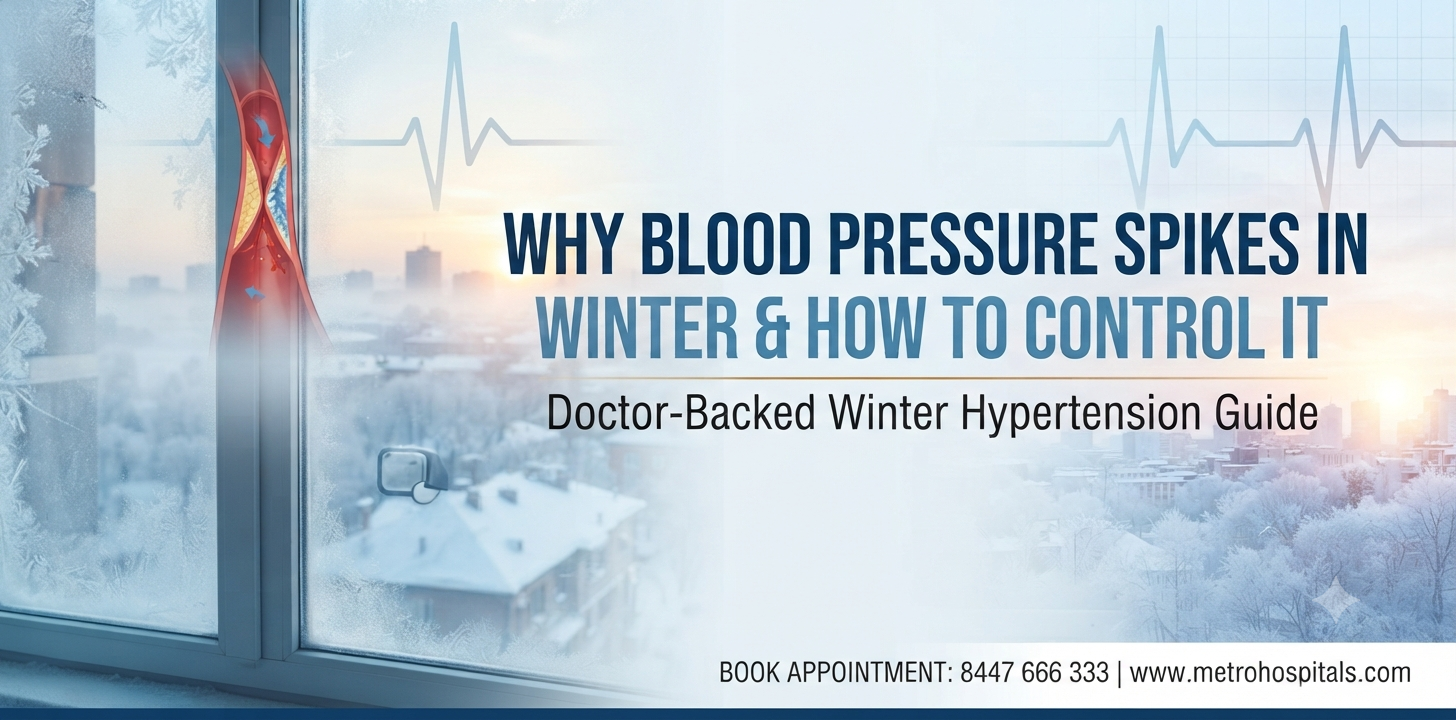
Cold weather brings crisp air, foggy mornings across Delhi NCR, and a noticeable surge in cardiovascular emergencies. Across hospitals in North India, cardiologists and neurologists consistently observe a seasonal rise in acute coronary events and cerebrovascular strokes during winter—especially in the early morning hours. Understanding why the heart attack risk in winter mornings climbs and how a winter blood pressure spike affects blood vessels can help individuals and families take timely preventive action.
For patients seeking preventive screening or urgent heart evaluations, consulting the best cardiologist in Noida Delhi and following structured winter routines provides critical protection when temperatures drop.
Why Does Cold Weather Strain the Heart and Blood Vessels?
When ambient temperature falls, the human body prioritizes preserving core organ warmth. This survival response triggers several physiological shifts that place added workload on the heart and arteries:
- Cold-Induced Vessel Narrowing (vasoconstriction): Exposure to cold air stimulates the sympathetic nervous system, causing peripheral arteries and arterioles to constrict. Narrower vessels increase resistance to blood flow, forcing the heart to pump harder to circulate oxygen-rich blood.
- Winter Blood Pressure Spike: As blood vessels tighten and people tend to be slightly less active or less hydrated in cold weather, systolic and diastolic blood pressures frequently rise. Even modest elevations in blood pressure increase mechanical stress on arterial walls and plaque deposits.
- Higher Blood Viscosity and Clotting Tendency: Cold exposure can be associated with subtle increases in red blood cell concentration, fibrinogen, and platelet activity. Thicker blood moves more sluggishly, raising the chance of clot formation inside narrowed coronary or cerebral arteries.
- Winter Respiratory Stress and Smog: In regions like Noida and Delhi, winter cold often coincides with stagnant air and elevated particulate pollution. Respiratory inflammation and lower oxygen efficiency can further tax compromised hearts.
Why Are Early Mornings the Highest-Risk Window?
Cardiovascular events such as myocardial infarction and ischemic or hemorrhagic stroke follow a well-documented circadian pattern, peaking in the early morning hours after waking. Combining morning biology with winter cold amplifies this vulnerability.
Circadian Surges and Morning Physiology
Between waking and mid-morning, the body naturally releases higher levels of stress hormones—including cortisol and adrenaline—to prepare for daytime activity. Heart rate and baseline blood pressure rise during this window, while natural clot-dissolving activity in the bloodstream can be relatively lower.
The Risk of Getting Out of Bed Suddenly in Winter
Jumping straight out of a warm blanket into a cold bedroom or chilly hallway creates an abrupt thermal and hemodynamic shock:
- Sudden Postural and Temperature Shift: Lying flat under warm covers keeps blood pressure and circulation relatively steady. Standing up rapidly in cold air triggers sudden blood pressure adjustments and reflex sympathetic surges.
- Dizziness or Lightheadedness: In older adults or individuals on antihypertensive or heart medications, standing too quickly can cause transient blood pressure drops or balance instability, leading to falls or acute cardiac strain.
- Cold Shock on Exposed Skin: Stepping onto a cold floor or walking immediately onto a chilly balcony or road exposes uncovered skin to cold air, triggering rapid vasoconstriction right when morning heart demand is already climbing.
Who Faces the Greatest Risk During Winter Mornings?
While anyone can feel the chill, winter morning cardiovascular risk is highest among:
- Adults aged 45–50 and above, or individuals with a family history of premature heart disease or stroke
- People with hypertension (including those whose morning BP is poorly controlled or who experience a winter blood pressure spike)
- Individuals living with diabetes, high cholesterol, or obesity
- Current or former smokers and those with existing coronary artery disease, prior heart attack, rhythm disorders, or prior stroke/TIA
5 Essential Precautions Recommended by Cardiologists
To lower the heart attack risk in winter mornings and manage cold-weather blood pressure shifts safely, cardiologists recommend these five practical precautions:
- Rise Gradually Instead of Getting Out of Bed Suddenly: When your alarm rings on a cold morning, sit up on the edge of the bed for one to two minutes first. Move your feet and legs gently, put on warm slippers or socks, and stand up slowly so your circulation and blood pressure adjust smoothly.
- Layer Clothing and Protect Head, Neck, and Extremities: Wear breathable thermal layers, a warm sweater or jacket, a cap or muffler covering ears and neck, and gloves or socks when stepping into cold areas. Keeping extremities warm reduces cold-induced vasoconstriction and helps stabilize winter blood pressure.
- Monitor Morning Blood Pressure and Never Skip Prescribed Medications: Check your blood pressure in the morning and evening as advised by your physician, especially during cold waves. Take blood pressure, diabetes, and heart medicines strictly on schedule—never adjust or stop doses on your own, even if readings fluctuate.
- Delay Outdoor Walks Until Temperatures and Air Quality Improve: Avoid very early, dark, chilly morning walks when temperatures are at their lowest and fog or pollution may be heavy. If you exercise outdoors, opt for later morning or daytime hours when it is warmer, warm up indoors first, and avoid sudden strenuous exertion in cold air.
- Stay Hydrated and Eat Balanced, Heart-Healthy Meals: Thirst signals often dull in winter, yet mild dehydration can worsen blood pressure swings and blood thickness. Drink adequate water throughout the day, limit excess salt and heavy saturated fats, and keep warm indoor spaces comfortable.
Warning Signs That Require Immediate Emergency Care
Do not wait or try to “sleep off” symptoms that could signal a heart attack or stroke. Seek emergency medical attention right away if you or someone nearby experiences:
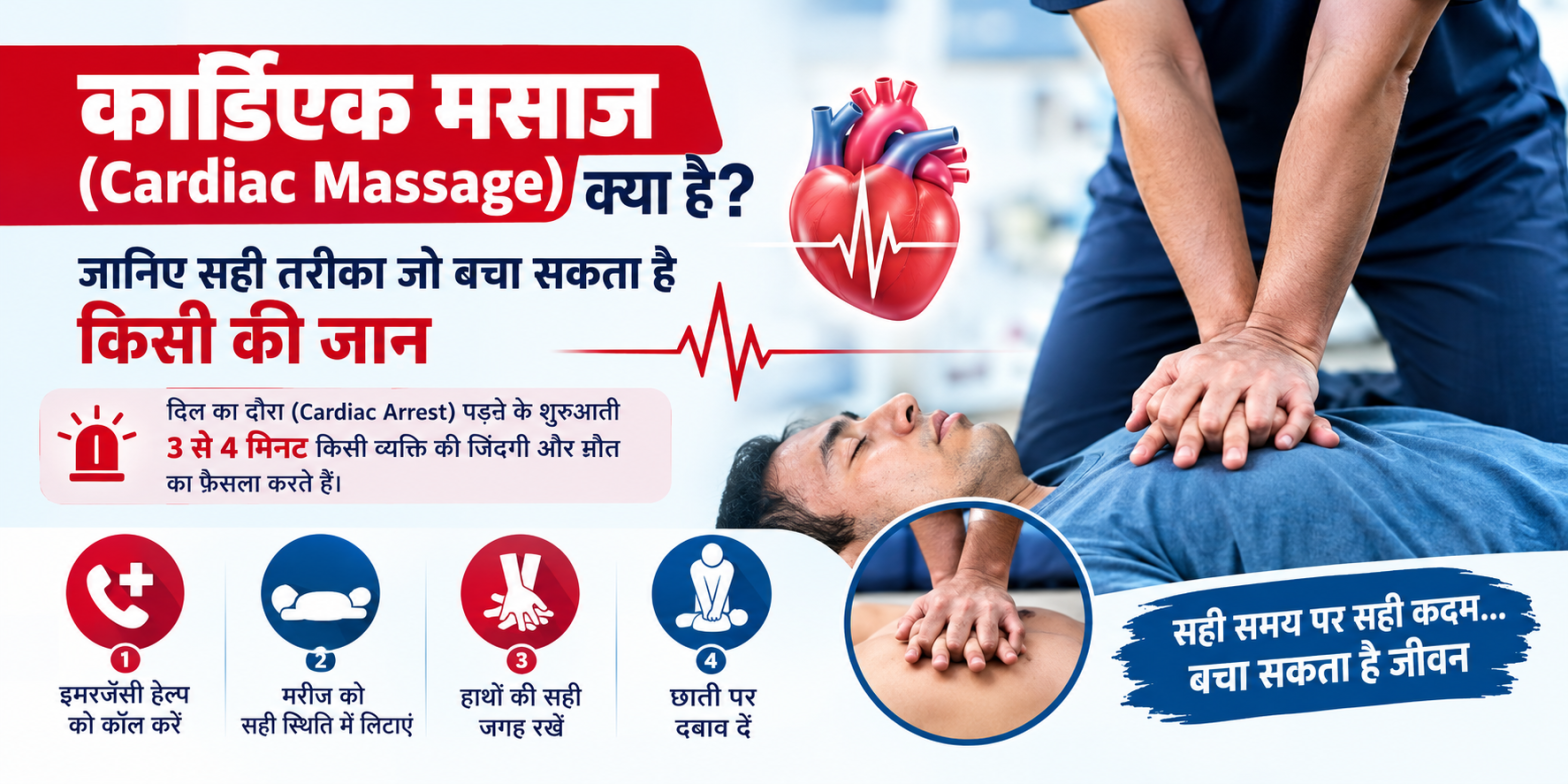
- Heart attack signs: Chest pressure, tightness, squeezing, or pain (which may radiate to the left arm, jaw, neck, back, or upper abdomen), shortness of breath, cold sweats, nausea, or unexplained lightheadedness.
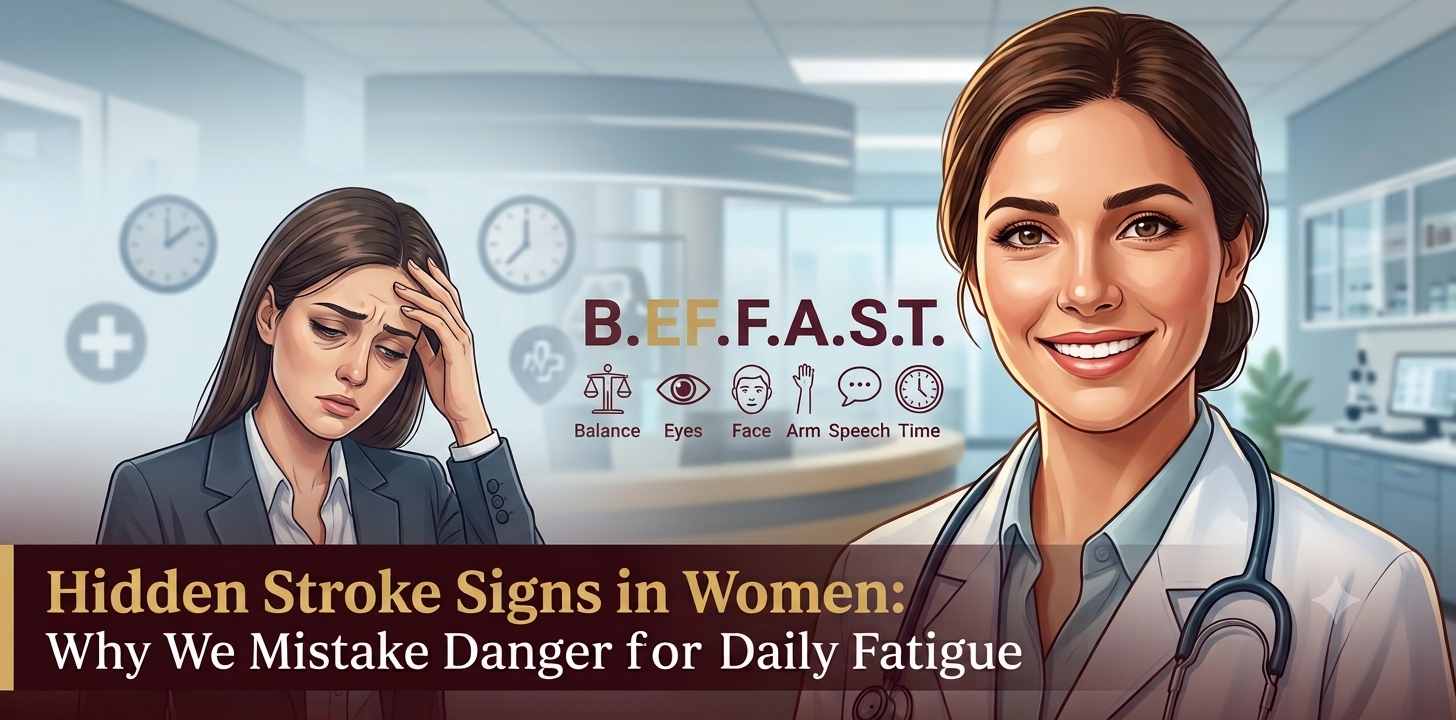
- Stroke signs (FAST): Face drooping on one side, arm weakness or numbness, slurred or garbled speech, sudden vision trouble, severe sudden headache, or loss of balance—Time is critical for stroke evaluation and treatment.
Expert Cardiac Care in Noida and Delhi
Timely preventive checkups, ambulatory or home blood pressure tracking, lipid and metabolic screening, and rapid emergency response make a decisive difference during winter. At Metro Group of Hospitals, patients across Noida, Delhi, and the wider NCR have access to experienced heart specialists, diagnostic services, and 24/7 emergency care. Consulting the best cardiologist in Noida Delhi helps tailor winter blood pressure targets, review medications, and build a safe morning routine before complications arise.
Frequently Asked Questions (FAQs)
Q1. Why does heart attack risk increase in winter mornings?
Cold temperatures cause blood vessels to constrict and raise blood pressure, while morning hours naturally bring higher stress hormone surges and increased cardiovascular workload right after waking.
Q2. How does a winter blood pressure spike affect stroke risk?
A winter blood pressure spike increases pressure inside cerebral blood vessels, raising strain on fragile or plaque-narrowed arteries and increasing the risk of both ischemic and hemorrhagic strokes.
Q3. Why is getting out of bed suddenly dangerous on cold winter mornings?
Abruptly moving from a warm bed into cold air can trigger rapid blood pressure shifts, balance issues, and sudden sympathetic nervous system stress on the heart and circulation.
Q4. When should I see a cardiologist in Noida or Delhi for winter BP changes?
Consult a cardiologist if your morning blood pressure readings stay elevated, if you notice chest discomfort, palpitations, or unusual shortness of breath in cold weather, or if you have risk factors like diabetes or high cholesterol.