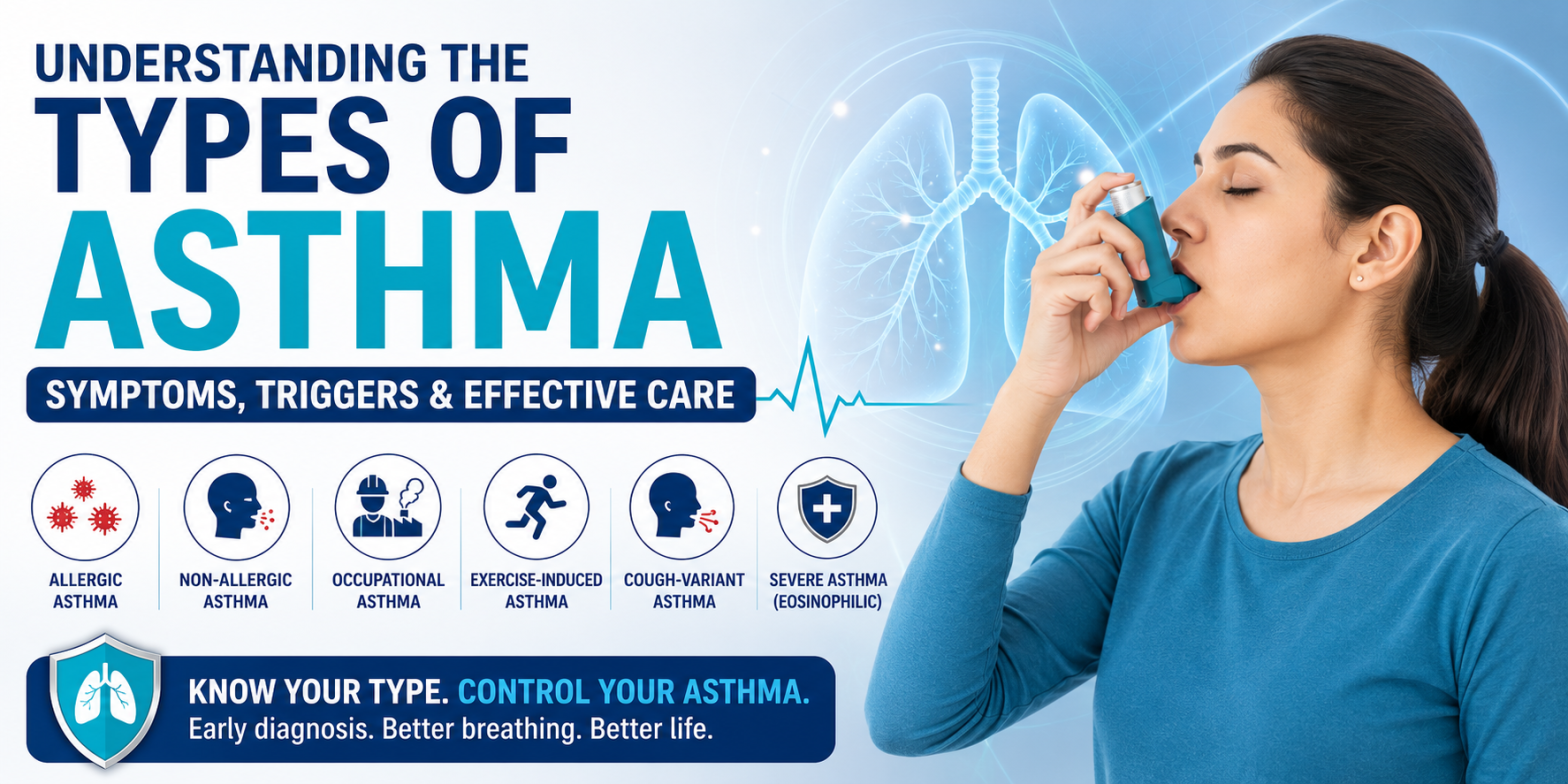
Types of Asthma
By Dr. Akhil Bansal in Pulmonology, Respiratory & Sleep Medicine
Jul 23, 2026
Understanding the Types of Asthma: Symptoms, Triggers, and Effective Care
Asthma is a long-term respiratory condition characterized by chronic airway inflammation and heightened sensitivity. While many people think of asthma as a single disease, it actually exists in several distinct forms, each characterized by specific environmental triggers, clinical presentations, and underlying biological mechanisms.
Because the airways of individuals with asthma are hyper-reactive, exposure to specific irritants causes the muscles surrounding the bronchial tubes to constrict (bronchospasm), the lining of the airways to swell (inflammation), and excess mucus to collect inside the passage. Recognizing the exact type of asthma you or a loved one has is the foundation of effective disease management, targeted therapy, and long-term lung health.
Primary Categorization of Asthma
Pulmonologists generally categorize asthma based on what triggers an attack (extrinsic vs. intrinsic), the age of onset, or the underlying cellular immune response:
- Allergic Asthma (Extrinsic): The most common form, triggered by environmental allergens like dust mites, pollen, pet dander, and mold spores.
- Non-Allergic Asthma (Intrinsic): Develops without allergy involvement and is triggered by respiratory infections, cold air, stress, or severe air pollution.
- Specialized Types of Asthma: Certain forms of asthma are triggered by specific factors such as physical activity (Exercise-Induced Asthma), exposure to workplace dust, fumes, or chemicals (Occupational Asthma), or may present primarily as a persistent dry cough without typical wheezing (Cough-Variant Asthma).
1. Allergic Asthma (Extrinsic Asthma)
Allergic asthma is the most prevalent form of the condition, accounting for nearly 60% to 80% of all diagnosed cases. It is closely linked to an overactive immune response driven by Immunoglobulin E (IgE) antibodies.
- Primary Triggers: Environmental allergens such as airborne pollen (from trees, weeds, and grasses), dust mites, pet dander (saliva and skin flakes from cats or dogs), mold spores, and cockroach droppings.
- Key Characteristics: Symptoms often begin in childhood and frequently co-occur with other allergic conditions, such as allergic rhinitis (hay fever), eczema (atopic dermatitis), or food allergies.
- Management Focus: Identifying specific environmental triggers through allergen skin testing or serum IgE blood tests. Treatment incorporates environmental controls, daily inhaled corticosteroids (ICS), antihistamines, and, in persistent cases, allergen immunotherapy.
2. Non-Allergic Asthma (Intrinsic Asthma)
Non-allergic asthma develops without the involvement of the immune system’s allergic pathways. It typically manifests later in life and tends to be more persistent.
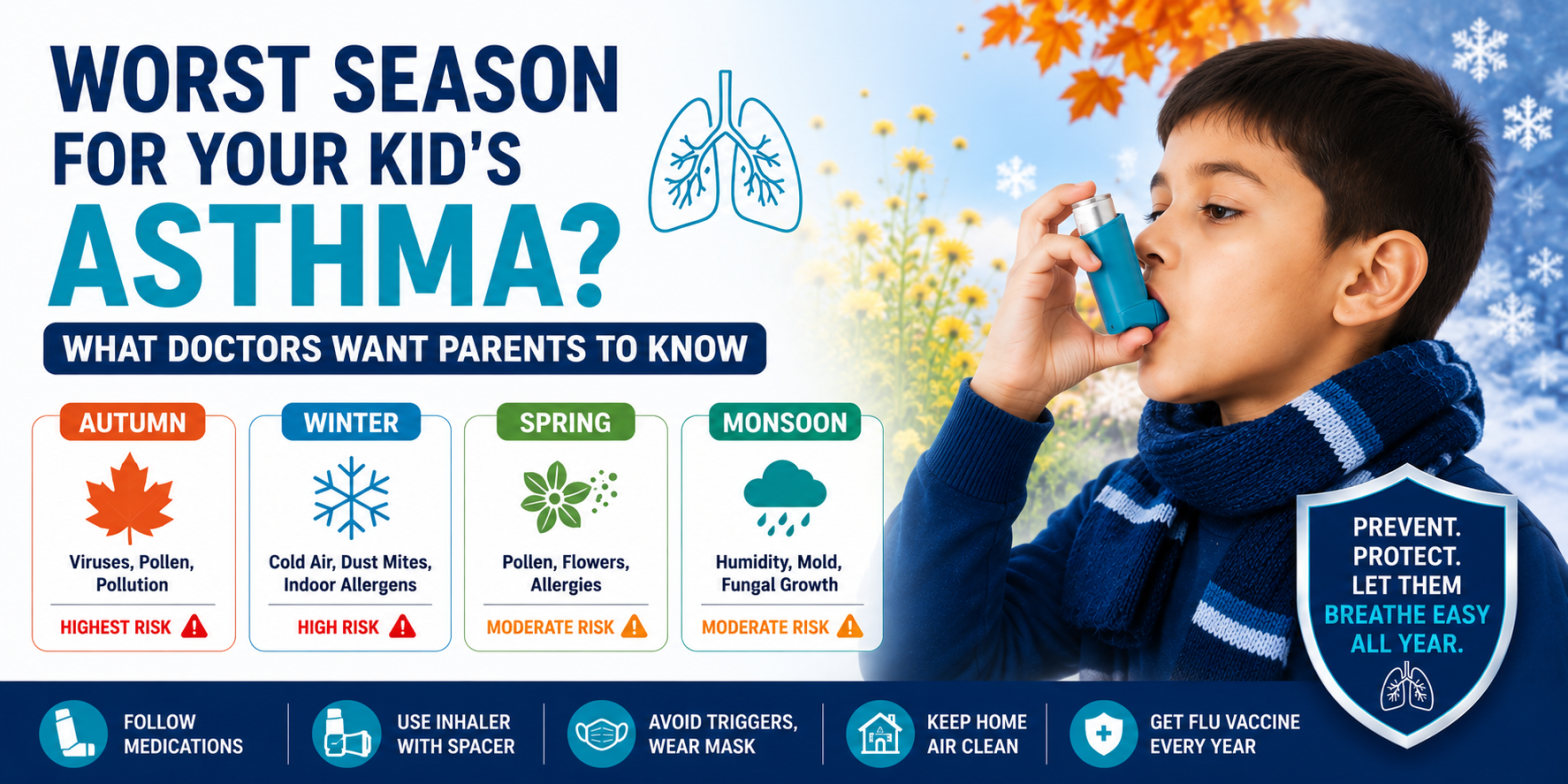
- Primary Triggers: Respiratory viral infections (such as influenza, RSV, or common rhinoviruses), exposure to cold, dry air, sudden weather shifts, airborne irritants (cigarette smoke, heavy perfumes, chemical fumes), and intense emotional stress or anxiety.
- Key Characteristics: Skin prick tests for common allergens will yield negative results, and blood IgE levels remain normal. Non-allergic asthma is more common in adults, particularly women.
- Management Focus: Preventing respiratory infections (including annual flu vaccinations), using protective face coverings in extreme cold or polluted environments, and taking maintenance anti-inflammatory inhalers.
3. Occupational Asthma
Occupational asthma occurs when a person develops respiratory symptoms directly caused by inhaling irritants, chemicals, gases, or dust in their workplace.
- High-Risk Environments: Chemical manufacturing, farming/agriculture, baking and flour processing, healthcare (latex exposure), automotive painting, and carpentry.
- Key Characteristics: Symptoms typically worsen during work shifts and improve significantly during weekends, holidays, or extended leaves from the workplace environment.
- Management Focus: Strict workplace controls, including specialized industrial ventilation, personal protective equipment (respirators), or job re-assignment to minimize continued chemical exposure.
4. Exercise-Induced Bronchoconstriction (EIB)
Exercise-induced bronchoconstriction—commonly called exercise-induced asthma—occurs when strenuous physical activity causes temporary narrowing of the airways.
- Primary Triggers: Rapid breathing of cool, dry air during intense cardio, running, swimming, or outdoor sports in cold seasons.
- Key Characteristics: Coughing, chest tightness, and shortness of breath typically peak 5 to 10 minutes after stopping physical activity, rather than at the very start of exercise.
- Management Focus: Pre-medication with a short-acting beta-agonist (SABA) or combination inhaler 15 to 20 minutes before exercise, alongside structured warm-up and cool-down routines.
5. Cough-Variant Asthma (CVA)
Unlike typical asthma presentations that feature wheezing and noticeable breathlessness, cough-variant asthma presents almost exclusively with a dry, persistent cough.
- Primary Triggers: Exercise, exposure to cold air, ambient air pollution, or recent upper respiratory infections.
- Key Characteristics: The chronic dry cough lasts for weeks or months and is often misdiagnosed as chronic bronchitis, post-nasal drip, or gastroesophageal reflux disease (GERD).
- Management Focus: Diagnostic confirmation via spirometry or methacholine challenge testing, followed by low-dose inhaled corticosteroids to calm bronchial hyper-responsiveness.
6. Adult-Onset Asthma
While asthma is frequently associated with childhood, it can develop at any stage of adult life.
- Primary Factors: Hormonal fluctuations (such as those occurring during pregnancy, perimenopause, or menopause), obesity, persistent occupational exposures, or severe viral infections later in life.
- Key Characteristics: Symptoms tend to be more persistent than childhood asthma, with a lower likelihood of spontaneous remission. It requires diligent long-term maintenance therapy.
7. Severe / Eosinophilic Asthma
Severe asthma refers to forms of the disease that remain poorly controlled despite adherence to high-dose inhaled medications and proper technique.
- Eosinophilic Subtype: Characterized by elevated levels of eosinophils (a specialized type of white blood cell) in the bloodstream and respiratory tract, leading to frequent exacerbations and significant tissue swelling.
- Management Focus: Comprehensive evaluation by a pulmonology specialist, high-resolution lung imaging, and targeted biologic therapies (monoclonal antibodies) that block specific inflammatory pathways.
Diagnostic Timeline & Clinical Management
A precise diagnosis involves clinical evaluation combined with objective lung function testing:
| Diagnostic Tool | Primary Purpose | Clinical Value |
| Spirometry | Measures airflow obstruction and lung volume | Confirms reversible airway constriction before and after bronchodilator use |
| Peak Flow Monitoring | Measures maximum speed of expiration | Helps track daily variations and early signs of flare-ups at home |
| FeNO Test | Measures Fractional Exhaled Nitric Oxide | Detects underlying airway inflammation (especially in allergic/eosinophilic asthma) |
| Allergy & IgE Testing | Skin prick or blood tests | Identifies specific extrinsic triggers to guide allergen avoidance |
When to Seek Emergency Medical Evaluation
While routine asthma care focuses on symptom prevention, a severe asthma attack requires immediate medical intervention.
When to Seek Immediate Emergency Medical Care:
- Severe breathlessness or gasping that makes speaking in full sentences difficult
- Inability to get relief after using a quick-relief (rescue) inhaler
- Visible chest retractions (skin pulling tightly around the ribs and neck during inhalation)
- Bluish tint to the lips, gums, or fingernail beds (cyanosis)
- Sudden drop in Peak Expiratory Flow rate below 50% of your personal best
Advanced Respiratory Care at Metro Hospital
Managing asthma effectively requires an individualized treatment plan tailored to your specific asthma type. The Department of Pulmonology & Respiratory Medicine at Metro Hospital provides comprehensive diagnostic evaluations—including advanced impulse oscillometry, spirometry, allergy testing, and targeted biologic therapy for severe asthma.
Whether managing seasonal flare-ups or complex, non-responsive asthma, early evaluation ensures healthy lung function and an uncompromised quality of life.
Frequently Asked Questions (FAQs)
Q1. What are the main types of asthma, and how do I know which one I have?
Ans: The primary types of asthma include Allergic Asthma, Non-Allergic Asthma, Occupational Asthma, Exercise-Induced Bronchoconstriction, Cough-Variant Asthma, and Severe Eosinophilic Asthma. A pulmonologist identifies your specific type through allergy blood tests (total IgE), spirometry lung function testing, and evaluating your personal trigger history.
Q2. Where can I get tested for asthma and allergic respiratory issues in Delhi NCR / Noida?
Ans: You can get comprehensive asthma diagnostic testing—including Spirometry, FeNO testing, Allergy Panel tests, and Impulse Oscillometry—at specialized respiratory care centers like the Department of Pulmonology at Metro Hospital, Sector 11, Noida. Early diagnosis by a chest specialist helps create a personalized treatment plan.
Q3. Is cough-variant asthma different from a normal dry cough?
Ans: Yes. Unlike a temporary viral cough, cough-variant asthma (CVA) presents with a persistent, non-productive dry cough that lasts for weeks or months without traditional wheezing. It often worsens at night, during exercise, or upon exposure to cold air and pollution, requiring inhaled corticosteroids rather than standard cough syrups.
Q4. Can high air pollution levels in NCR trigger non-allergic asthma attacks?
Ans: Absolutely. High PM2.5 levels, vehicle emissions, and industrial smog in urban regions like Delhi, Noida, and Ghaziabad act as severe irritants. They cause direct airway inflammation and bronchospasm in individuals with non-allergic asthma, even if they do not have traditional pollen or dust allergies.
Q5. When should an asthma patient visit the emergency department at Metro Hospital?
Ans: You must seek immediate emergency medical care at Metro Hospital if you experience severe shortness of breath where speaking full sentences is difficult, blue or pale discoloration on lips/nails, chest retractions, or if your quick-relief (rescue) inhaler fails to provide relief within 15 to 20 minutes.