Hidden Heart Risks During Dengue Season
By Dr. Vinay Kumar Bahl in Cardiology Interventional Cardiology
Sep 16, 2025
With the arrival of the monsoon season, dengue cases rise sharply across India. While most people associate dengue with fever, low platelet count, or bleeding, very few are aware that dengue can also impact the heart. These hidden cardiac risks may remain unnoticed in the early stages but can lead to serious, sometimes life-threatening, complications.
How Does Dengue Affect the Heart?
When dengue virus enters the body, it triggers a strong immune response. Inflammatory chemicals (cytokines) are released, which help fight the virus but may also damage heart tissues.
- Some patients experience palpitations or rapid heartbeat.
- Others may develop myocarditis (inflammation of heart muscle), arrhythmias (irregular heartbeat), or in severe cases, heart failure.
Thus, dengue should not be seen as just a platelet-related illness—it can also silently involve the heart.
Hidden Cardiac Risks of Dengue
Myocarditis (Inflammation of Heart Muscle)
Dengue can inflame the heart muscle, weakening its pumping capacity. This results in fatigue, chest pain, breathlessness, and in some cases, heart failure.
Arrhythmias (Irregular Heart Rhythm)
Electrolyte imbalance and inflammation during dengue can disrupt the heart’s electrical system. Patients may feel skipped beats, rapid heart rate, or dangerous ventricular arrhythmias.
Cardiogenic Shock
Severe dengue often leads to low blood pressure. If heart function is also compromised due to myocarditis, it can cause cardiogenic shock, a critical emergency requiring ICU care.
Higher Risk in Pre-Existing Heart Patients
Patients with hypertension, diabetes, or coronary artery disease face higher risks. For them, dengue can worsen existing heart conditions and increase complications.
Warning Signs You Should Not Ignore
During dengue, be alert if you experience:
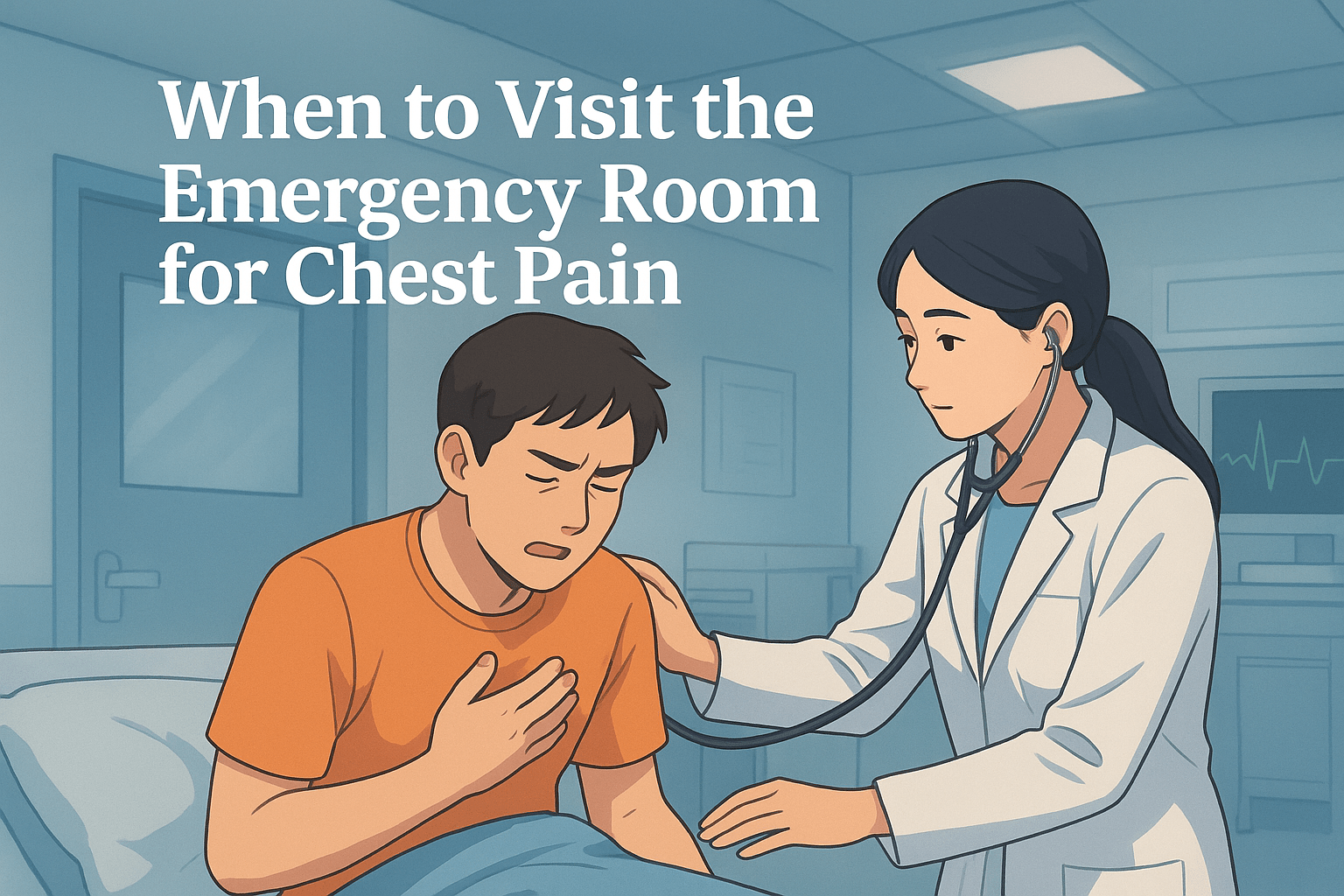
- Chest pain or tightness
- Fast or irregular heartbeat
- Shortness of breath or extreme fatigue
- Swelling of legs or face
- Dizziness or fainting
These may be early indicators of cardiac involvement. Immediate medical consultation is necessary.
Why Are These Risks Increasing?
- Urban crowding allows faster spread of dengue mosquitoes.
- Focus on platelets only often delays recognition of heart involvement.
- Lifestyle diseases like hypertension, diabetes, and obesity already weaken the heart.
- Late diagnosis means cardiac issues are detected when the patient’s condition worsens.
How Doctors Diagnose Heart Involvement in Dengue
If a dengue patient shows cardiac symptoms, the following tests may be advised:
- ECG (Electrocardiogram): Detects abnormal rhythms
- 2D Echocardiography: Checks pumping capacity and heart muscle health
- Cardiac Biomarkers (Troponin test): Indicates muscle injury
- Chest X-ray: Identifies fluid in lungs or enlarged heart
Early detection can significantly improve outcomes.
Protecting Your Heart During Dengue Season
Prevention Is Key
- Use mosquito repellents, nets, and protective clothing
- Eliminate stagnant water near your home and workplace
- Ensure community-level cleanliness to stop mosquito breeding
If You Develop Dengue
- Take rest and maintain hydration
- Avoid self-medication, especially aspirin or ibuprofen, as they increase bleeding risk
- If you have pre-existing heart disease, consult your doctor about medication adjustments
Monitoring Heart Health
- Heart patients should undergo ECG/Echo if infected with dengue
- Do not ignore persistent palpitations, breathlessness, or chest discomfort
The Role of Specialist Care
Cardiac complications in dengue may not always be obvious. Specialist evaluation by a cardiologist is crucial for early detection and management. In severe cases, patients may require ICU monitoring and advanced cardiac support. Timely intervention can save lives.
Conclusion
Dengue fever is more than just a disease of platelets—it can silently affect the heart. These hidden cardiac risks make dengue especially dangerous for patients with existing heart conditions.
During dengue season, awareness is vital. If you or your loved ones develop dengue and experience chest pain, palpitations, or shortness of breath, consult a cardiologist immediately. Early recognition and treatment are the best safeguards against life-threatening complications.
Remember: Prevention from mosquito bites and timely heart monitoring can go a long way in protecting your health during dengue season.
Frequently Asked Questions (FAQs)
Q1. Can dengue directly damage the heart?
Yes. Dengue virus and the body’s immune response can cause inflammation of the heart muscle (myocarditis) and disturb the heart’s rhythm.
Q2. Who is at higher risk of heart problems during dengue?
Patients with pre-existing heart disease, diabetes, hypertension, or elderly individuals are more vulnerable to cardiac complications.
Q3. How can I know if dengue is affecting my heart?
If you experience chest pain, breathlessness, rapid or irregular heartbeat, or fainting during dengue, consult a cardiologist immediately.
Q4. Do all dengue patients need heart tests?
Not all, but patients with warning symptoms or those with prior heart conditions should undergo tests like ECG or Echocardiography.
Q5. How can I protect my heart during dengue season?
Prevent mosquito bites, avoid self-medication, stay hydrated, and if you have existing heart disease, keep your doctor informed if you develop dengue.
By Dr. Vinay Kumar Bahl
Head of Cardiovascular Sciences & Research, Metro Group of Hospitals