Breast Cancer Myths vs. Facts: Risk Factors Every Woman in India Should Know
By Dr. (Maj) A.P. Dubey in Cancer
Sep 28, 2026
Breast Cancer Myths vs. Facts: Risk Factors Every Woman in India Should Know
What are the most common myths and proven risk factors of breast cancer in India?
Common myths suggest that breast cancer only affects older women, requires a family history, or is caused by wearing underwired bras.
Proven Facts & Risk Factors:
- Genetic factors: such as inherited BRCA1 and BRCA2 mutations—alongside prolonged lifetime exposure to estrogen, significantly elevate breast cancer risk.
- Unhealthy lifestyle factors—including post-menopausal obesity, physical inactivity, and regular alcohol consumption—substantially increase breast cancer risk.
- Age Factor: In India, breast cancer is increasingly diagnosed in younger women (ages 30–40).
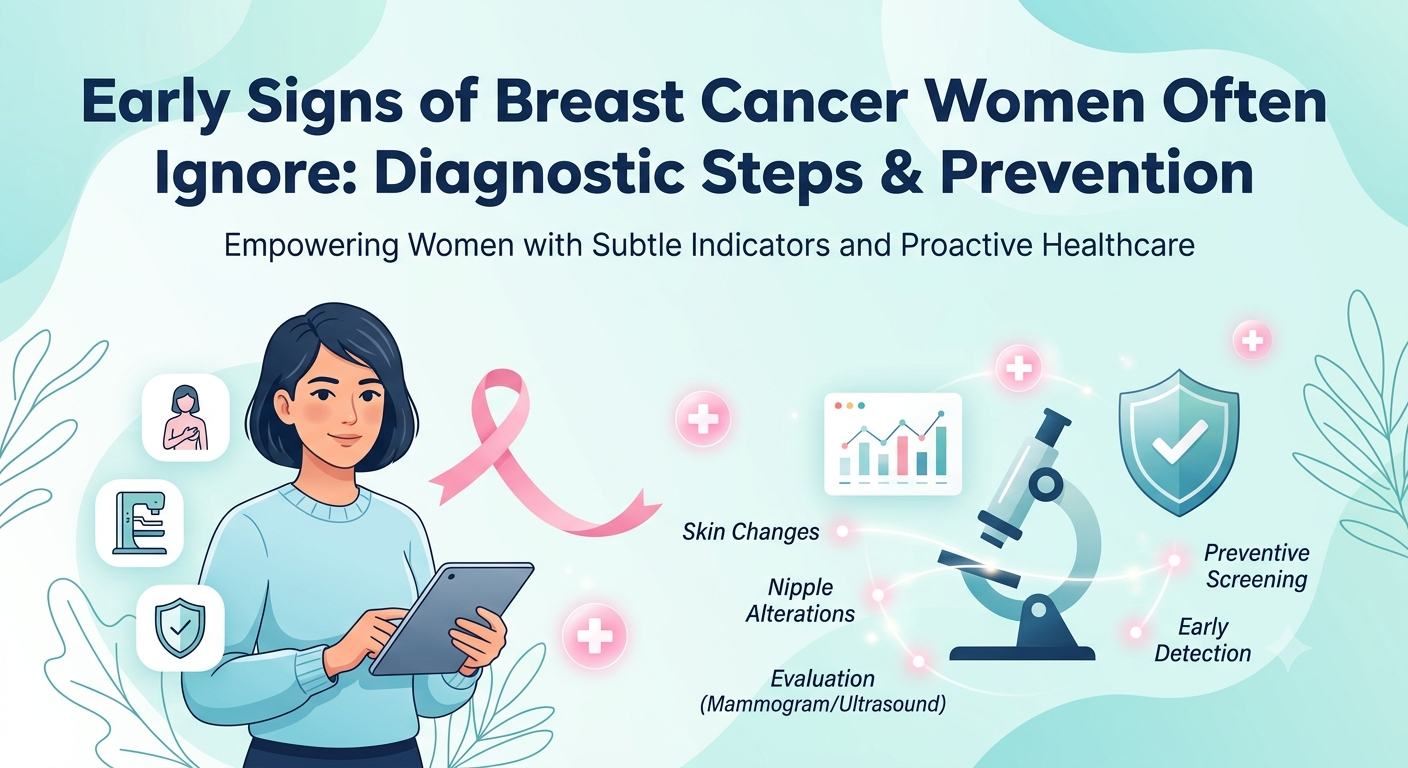
Early screening via Digital Mammography and routine Breast Self-Examinations remain the most effective ways to ensure early detection and high cure rates.
Breast cancer has emerged as the most prevalent cancer affecting women across India, highlighting the critical need for timely awareness and early screening. Despite rapid advancements in modern oncology, late-stage diagnosis remains a major hurdle—largely driven by widespread myths, social stigma, and a general lack of awareness regarding actual risk factors.
Debunking prevailing misconceptions and understanding evidence-based medical facts is essential for early intervention, timely clinical screening, and better treatment outcomes.
Also Read: Breast Cancer Treatment in Delhi Ncr, India
1. Breast Cancer Myths vs. Facts
| Common Misconception (Myth) | Medical Reality (Fact) |
| Myth 1: Breast cancer only happens to women with a family history of cancer. | Fact: Over 80% to 85% of women diagnosed with breast cancer have no family history. Most cases arise from sporadic genetic changes influenced by age, hormones, and lifestyle. |
| Myth 2: Wearing underwired bras or using antiperspirants causes breast cancer. | Fact: There is no scientific evidence linking bra types, underwires, or antiperspirants/deodorants to breast cancer or lymphatic blockages. |
| Myth 3: Breast cancer is a disease that only affects older women. | Fact: While risk increases with age, Indian data shows a significant rise in breast cancer among younger women in their 30s and 40s. |
| Myth 4: Finding a lump in the breast always means you have cancer. | Fact: Over 80% of breast lumps are non-cancerous (benign), such as fluid-filled cysts or fibroadenomas. However, any new lump must be evaluated medically. |
| Myth 5: Mammograms cause cancer or cause the disease to spread. | Fact: Mammograms use extremely low-dose radiation that is completely safe. Regular screening detects tiny tumors long before they can be felt, saving lives. |
2. Key Risk Factors Every Indian Woman Should Understand
Risk factors are divided into non-modifiable factors (things you cannot change) and modifiable lifestyle factors (things you can control).
Non-Modifiable Risk Factors:
- Genetic Mutations: Inherited mutations in the BRCA1 and BRCA2 genes drastically increase lifetime risk for both breast and ovarian cancers.
- Dense Breast Tissue: Women with dense breast tissue have a higher proportion of glandular tissue, making micro-lesions harder to spot on standard imaging and slightly increasing cancer risk.
- Lifetime Estrogen Exposure: Experiencing early menarche (under 12), delayed menopause (over 55), or a first pregnancy later in life extends the duration your body is exposed to estrogen—a key hormone factor linked to higher breast cancer susceptibility.
Modifiable Lifestyle Risk Factors:
- Weight Impact After Menopause: Higher body fat in post-menopausal women actively increases circulating estrogen production, creating a biological environment that significantly boosts the chance of developing hormone-receptor-positive breast tumors.
- Physical Inactivity: A sedentary lifestyle correlates with higher hormone levels and insulin resistance, both linked to cancer proliferation.
- Dietary Habits & Alcohol Use: Regularly consuming ultra-processed foods, high-fat diets, and alcohol can elevate estrogen levels in the blood, significantly increasing overall breast cancer risk.
3. Recommended Screening Protocol
| Screening Phase | Target Group & Frequency | Key Diagnostic Action |
| Step 1: Self-Examination | All Women (Age 20+) | Monthly 5-minute Breast Self-Exam (BSE) after periods |
| Step 2: Clinical Screening | Ages 25–39 Ages 40+ | • Annual Specialist Exam and Ultrasound (if dense tissue) • Annual Digital Mammography (3D Tomosynthesis) |
| Step 3: High-Risk Protocol | High Risk / Family History | BRCA1 / BRCA2 Genetic Testing and Dynamic Breast MRI |
Also Read: Top Breast Cancer Hospital in India
Frequently Asked Questions (FAQs)
Q1: Why is breast cancer diagnosed at a younger age in India compared to Western countries?
Answer: In India, a combination of demographic factors, shifting urban lifestyles, delayed pregnancies, reduced breastfeeding duration, and lack of early routine screening contributes to a higher proportion of cases being detected in women aged 30 to 45.
Q2: How can I reduce my personal risk of developing breast cancer?
Answer: You can lower your risk by maintaining a healthy Body Mass Index (BMI), engaging in 150 minutes of moderate exercise weekly, eating a fiber-rich balanced diet, avoiding alcohol and smoking, and attending annual clinical screenings after age 40.
Q3: What should I do if I find a painless lump in my breast?
Answer: Remain calm, but do not ignore it—prompt clinical evaluation is key. Schedule a clinical examination with a surgical oncologist or breast specialist promptly. They will recommend diagnostic imaging—such as an ultrasound or digital mammogram—to determine whether the lump is a benign cyst or requires further testing.