Winters Can Trigger Heart Ailments
By Dr. Niti Chadha Negi in Cardiology
Nov 19, 2018
Winters Can Trigger Heart Ailments: Understanding the Risks and Staying Safe
As winter approaches and temperatures begin to fall, individuals—especially those with existing heart conditions—need to take extra precautions. Studies show that heart attacks increase by nearly 50% during the winter season, largely due to the stress cold weather places on the cardiovascular system. When the temperature drops, your heart works harder to keep the body warm, increasing the risk of complications.
Why Winter Is Risky for Heart Patients
1. Increased Heart Workload
Cold weather causes the blood vessels to constrict. This narrowing:
- Reduces blood flow
- Decreases oxygen delivery
- Forces the heart to pump harder
For people with heart disease or high blood pressure, this can easily trigger symptoms or even lead to a heart attack.
2. Elevated Blood Pressure
Low temperatures stimulate the release of stress hormones like adrenaline, which:
- Raises blood pressure
- Increases heart rate
- Puts extra pressure on the heart
This combination can be dangerous for individuals with hypertension or weakened heart muscles.
3. Higher Risk of Blood Clots
Cold weather increases the thickness (viscosity) of blood, making it more likely to form clots. These clots can:
- Block blood flow to the heart
- Trigger a heart attack
- Lead to stroke
How to Stay Heart-Healthy in Winter
✔ Stay Active — But Choose Safe Exercise
- Avoid early morning outdoor workouts when temperatures are lowest.
- Warm up properly before physical activity.
- Prefer indoor exercises during harsh cold spells.
✔ Manage Mental & Emotional Stress
Winter often brings:
- Reduced sunlight
- Increased indoor time
- Higher stress and anxiety
Practice deep breathing, meditation, or any activity that helps you relax.
✔ Schedule Regular Heart Check-Ups
People with heart disease, diabetes, hypertension, or high cholesterol should:
- Get regular ECG/ECHO checkups
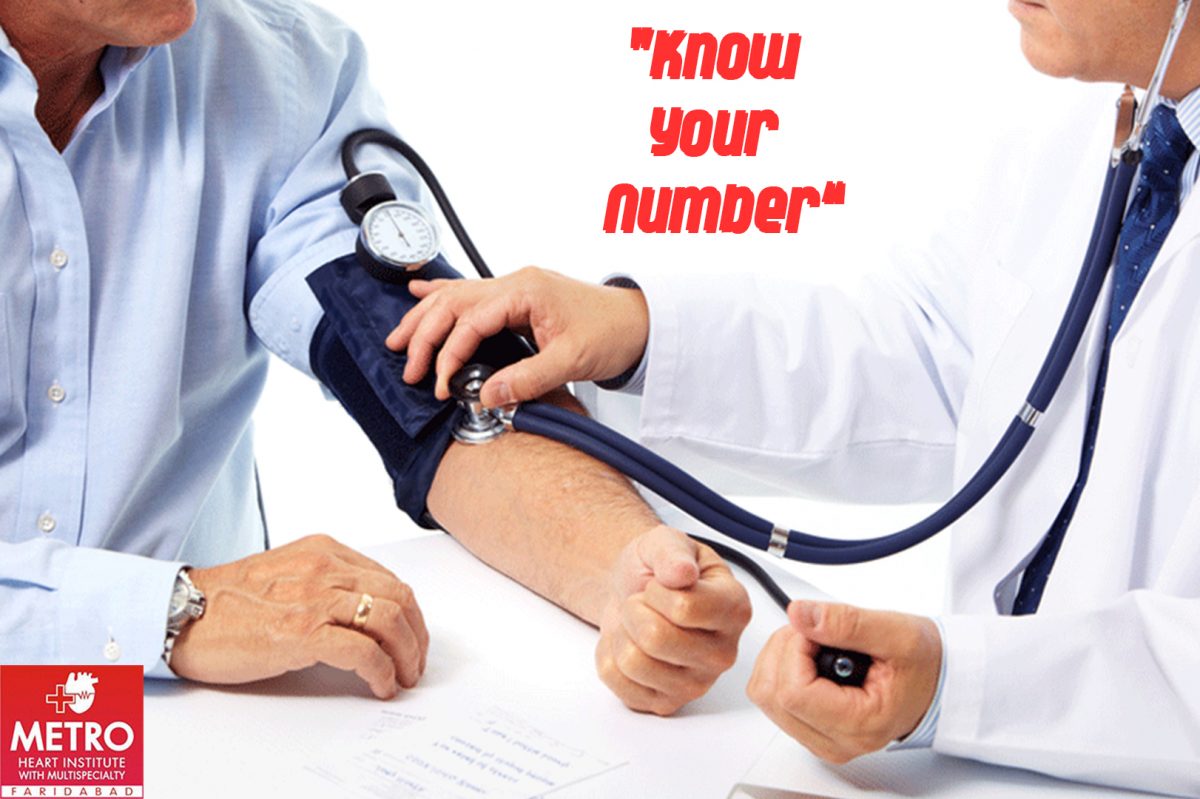
- Monitor blood pressure
- Consult their cardiologist if symptoms worsen
✔ Maintain Healthy Nutrition
- Ensure adequate Vitamin D, which is often low during winters.
- Eat heart-friendly foods: whole grains, lean proteins, and fruits.
- Limit salt-heavy and high-fat winter snacks.
When to Seek Medical Help Immediately
Contact a doctor if you experience:
- Chest pain or pressure
- Sudden breathlessness
- Dizziness or fainting
- Swelling in legs
- Unusual fatigue
Winters can silently worsen cardiac conditions. Early detection is the key to preventing major complications.
If you’re experiencing heart symptoms or need expert guidance, Metro Hospital—Faridabad’s leading heart care center—offers comprehensive cardiac services and specialist care.
Frequently Asked Questions (FAQs)
1. Why do heart attacks increase in winter?
Cold weather causes blood vessels to tighten, increases blood pressure, and makes the heart work harder. These factors raise the risk of heart attacks, especially in people with pre-existing conditions.
2. Who is at highest risk of winter-related heart problems?
People with:
- Coronary artery disease
- High blood pressure
- Diabetes
- High cholesterol
- History of heart attack
- Elderly individuals
3. What symptoms should I not ignore in winter?
Seek medical help if you notice:
- Chest pain
- Shortness of breath
- Pain radiating to arm or jaw
- Extreme fatigue
- Palpitations
4. Can cold weather cause blood pressure to rise?
Yes. Low temperatures constrict blood vessels, leading to elevated blood pressure and increased workload on the heart.
5. What lifestyle changes help protect the heart in winter?
- Indoor exercise
- Regular check-ups
- Adequate hydration
- Heart-healthy diet
- Limiting alcohol
- Dressing warmly