Best Exercises for Heart Patients in Winter – A Complete Guide
By Dr. Saibal Chakravorty in Internal Medicine
Dec 3, 2025
Best Exercises for Heart Patients in Winter – A Complete Guide
Winter can be challenging for heart patients. The cold weather causes blood vessels to constrict, increases blood pressure, and makes the heart work harder. These changes raise the risk of angina, breathlessness, irregular heartbeat, and even heart attacks.
But the good news is – staying active during the winter season is one of the best ways to keep your heart strong, improve blood circulation, and maintain overall health.
In this blog by Metro Hospital, we explore the safest and most effective winter exercises for heart patients, along with tips to exercise without risk.
Why Winter Is Risky for Heart Patients
Cardiologists explain that cold weather can:
- Increase blood pressure
- Reduce blood circulation
- Cause chest tightness
- Trigger heart attack symptoms
- Worsen symptoms in high BP, diabetes, or cholesterol patients
That’s why winter-friendly exercise becomes even more important.
Best Exercises for Heart Patients in Winter
Below are safe, cardiologist-recommended exercises for winter—ideal for beginners, seniors, and people with existing heart conditions.
1. Brisk Indoor Walking
Walking is the safest and most effective winter exercise.
Benefits:
- Lowers blood pressure
- Improves circulation
- Reduces LDL (bad cholesterol)
- Strengthens the heart muscle
How to do it:
- Walk indoors (corridor, room, terrace)
- Start with 10–15 minutes
- Slowly increase to 30 minutes per day
- Maintain a moderate pace (slightly faster than normal walking)
2. Light Cardio at Home
Cardio keeps your heart strong without putting pressure on joints.
Examples:
- Step-ups on a low platform
- Spot marching
- Low-impact aerobics
- Simple dance workouts
Intensity:
Always maintain a conversation-friendly pace.
If you cannot speak comfortably, slow down.
3. Yoga for Heart Health
Yoga is excellent for patients with high BP, diabetes, or post-heart surgery recovery.
Best Yoga Poses for Heart Patients:
- Tadasana (Mountain Pose)
- Bhujangasana (Cobra Pose)
- Shavasana (Relaxation Pose)
- Baddha Konasana (Butterfly Pose)
- Anulom-Vilom (Alternate Nostril Breathing)
Benefits:
- Calms the nervous system
- Improves lung capacity
- Reduces stress (major heart attack trigger)
4. Deep Breathing & Pranayama
Deep breathing improves oxygen flow and lowers heart strain.
Try these:
- Diaphragmatic breathing
- Box breathing
- Pranayama
Do for 10 minutes daily.
5. Cycling on a Stationary Bike
This is safer than outdoor cycling in cold weather.
Benefits:
- Boosts stamina
- Helps weight loss
- Strengthens lower body and heart muscles
Start with 10 minutes and progress to 20–25 minutes, depending on endurance.
6. Stretching & Mobility Exercises
Perfect for seniors, beginners, and post-cardiac patients.
Types of stretches:
- Neck and shoulder rolls
- Chest opening stretch
- Hamstring stretches
- Ankle rotations
- Side bends
Stretching improves flexibility and reduces stiffness caused by cold weather.
7. Tai Chi (Slow Movements)
Tai Chi is a gentle, flow-based workout ideal for:
- Older adults
- Hypertension patients
- Post-heart surgery recovery
It improves balance, lung function, and heart efficiency.
Exercises to Avoid for Heart Patients in Winter
Avoid:
- Intense workouts in cold temperatures
- Outdoor running in early mornings
- Heavy weightlifting
- HIIT workouts unless approved by your cardiologist
- Sudden workload increases
Always start slowly and warm up before any activity.
Tips for Exercising Safely During Winter
✔ Warm up for 5–10 minutes
✔ Exercise indoors to avoid cold-triggered BP spikes
✔ Wear layered clothing
✔ Keep yourself hydrated
✔ Avoid early morning workouts (coldest time)
✔ Stop immediately if you feel chest pain, dizziness, or breathlessness
If you have chronic heart disease, consult a cardiologist before starting new exercises.
When to See a Cardiologist?
Visit Metro Hospital immediately if you experience:
- Chest discomfort or chest heaviness
- Difficulty in breathing
- Sudden BP spikes
- Unusual fatigue during workouts
- Irregular heartbeat
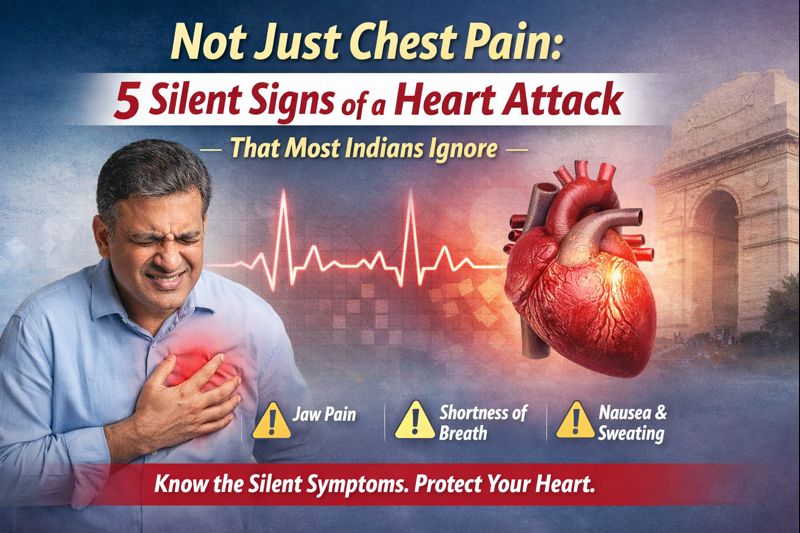
- Pain radiating to arm, shoulder, or jaw
Winter can be risky, but with the right exercises and timely check-ups, heart patients can stay healthy and active.
1. Are winter exercises safe for heart patients?
Yes, winter exercises are safe if done indoors and at a slow, controlled pace. Light activities like walking, yoga, and stretching are the safest options.
2. What is the best time to exercise in winter for heart patients?
Late morning or early evening is best. Avoid early morning cold air because it can trigger BP spikes or chest tightness.
3. Can heart patients walk outside in winter?
If the temperature is very low, it’s safer to walk indoors. Cold air makes your heart work harder than usual.
4. How long should a heart patient exercise in winter?
Start with 10–15 minutes daily and gradually increase to 30 minutes, depending on comfort and your doctor’s advice.
5. Which exercises should heart patients avoid in winter?
Avoid heavy weightlifting, running in very cold weather, and high-intensity workouts unless your cardiologist approves them.
6. What should heart patients do before starting exercise in winter?
Warm up your body, wear warm clothes, and check your blood pressure if you have a history of hypertension.
7. When should a heart patient stop exercising?
Stop immediately if you feel:
- Chest pain
- Shortness of breath
- Dizziness
- Extreme fatigue
- Irregular heartbeat
Seek medical help if symptoms continue.
8. Do heart patients need to drink water in winter?
Yes. Even in winter, dehydration can increase heart strain. Drink small amounts of water regularly.
9. Can yoga help heart patients in winter?
Absolutely. Yoga improves flexibility, reduces stress, and helps control blood pressure—making it perfect for winter.
10. Should heart patients consult a doctor before winter workouts?
Yes, especially if you have had heart surgery, angina, or uncontrolled BP. A cardiologist can suggest safe exercise routines.