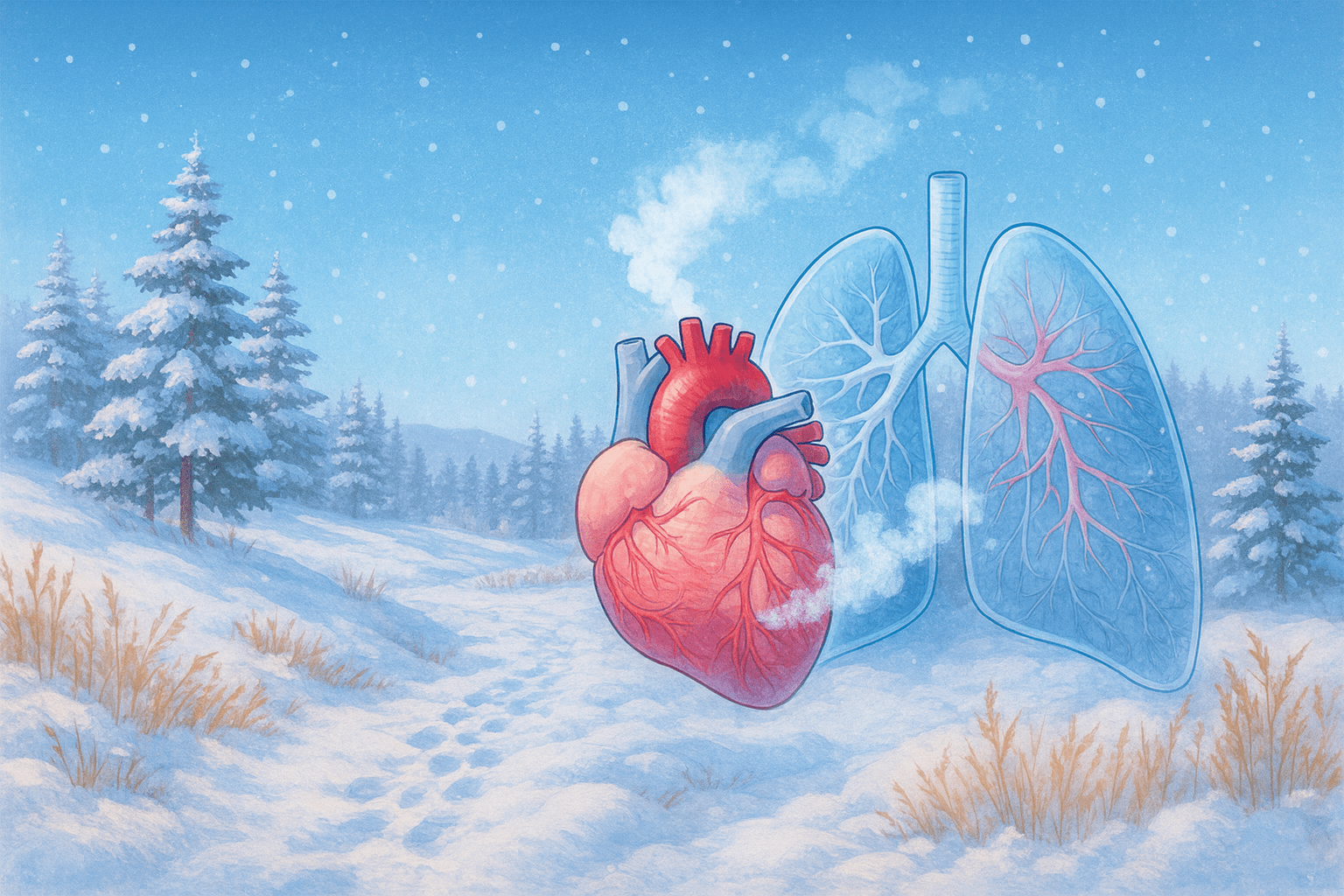
Why You Feel Chest Tightness in Cold Weather: Causes, Risks & When to See a Doctor | Metro Hospital
By in Cardiology Interventional Cardiology
Dec 3, 2025
Why Am I Feeling Chest Tightness in Cold Weather? | Causes, Risks & When to See a Doctor
Many people experience chest tightness, discomfort, or breathing difficulty during cold weather, especially in winter. This symptom becomes more common in regions like Delhi NCR and Noida, where winter cold combines with high pollution levels—both of which can impact heart and lung function.
Chest tightness during winter can feel like:
- Pressure or heaviness in the chest
- Difficulty taking a deep breath
- Sharp or dull chest pain
- Squeezing or constricting sensation
These symptoms can be mild for some and severe for others. In many cases, this discomfort is harmless, but it can sometimes signal a heart or lung-related problem, especially in high-risk individuals.
In this blog by Metro Hospital, let’s understand why cold weather can cause chest tightness, who is at risk, and when you should seek medical help.
Why Does Cold Weather Cause Chest Tightness?
1. Cold Air Constricts Your Airways
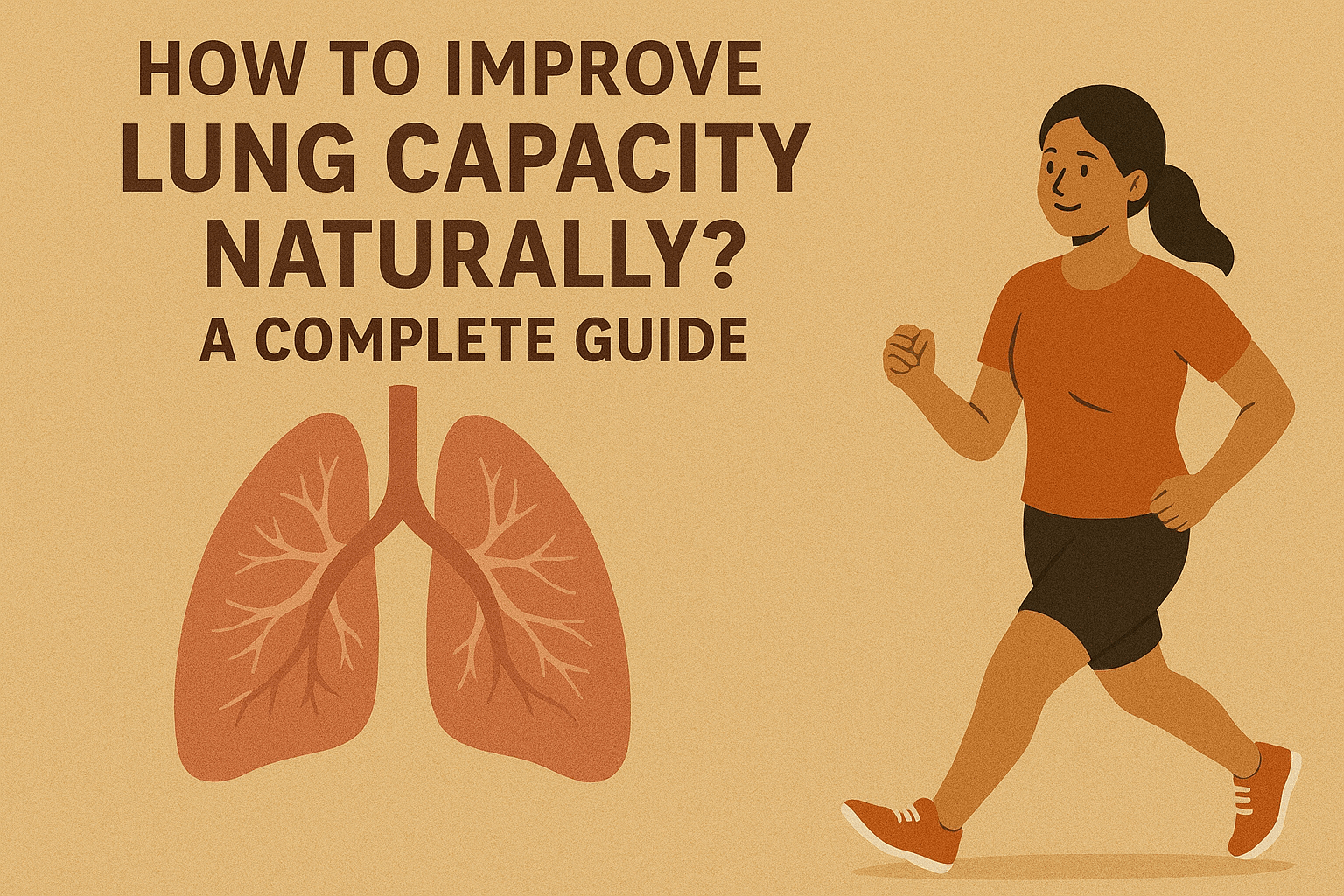
Breathing in cold air can make your airways narrow, especially if the air is dry.
This can cause:
- Shortness of breath
- Wheezing
- Chest tightness
- Coughing
People with asthma, bronchitis, or respiratory allergies experience this more frequently.
2. Cold Weather Makes the Heart Work Harder
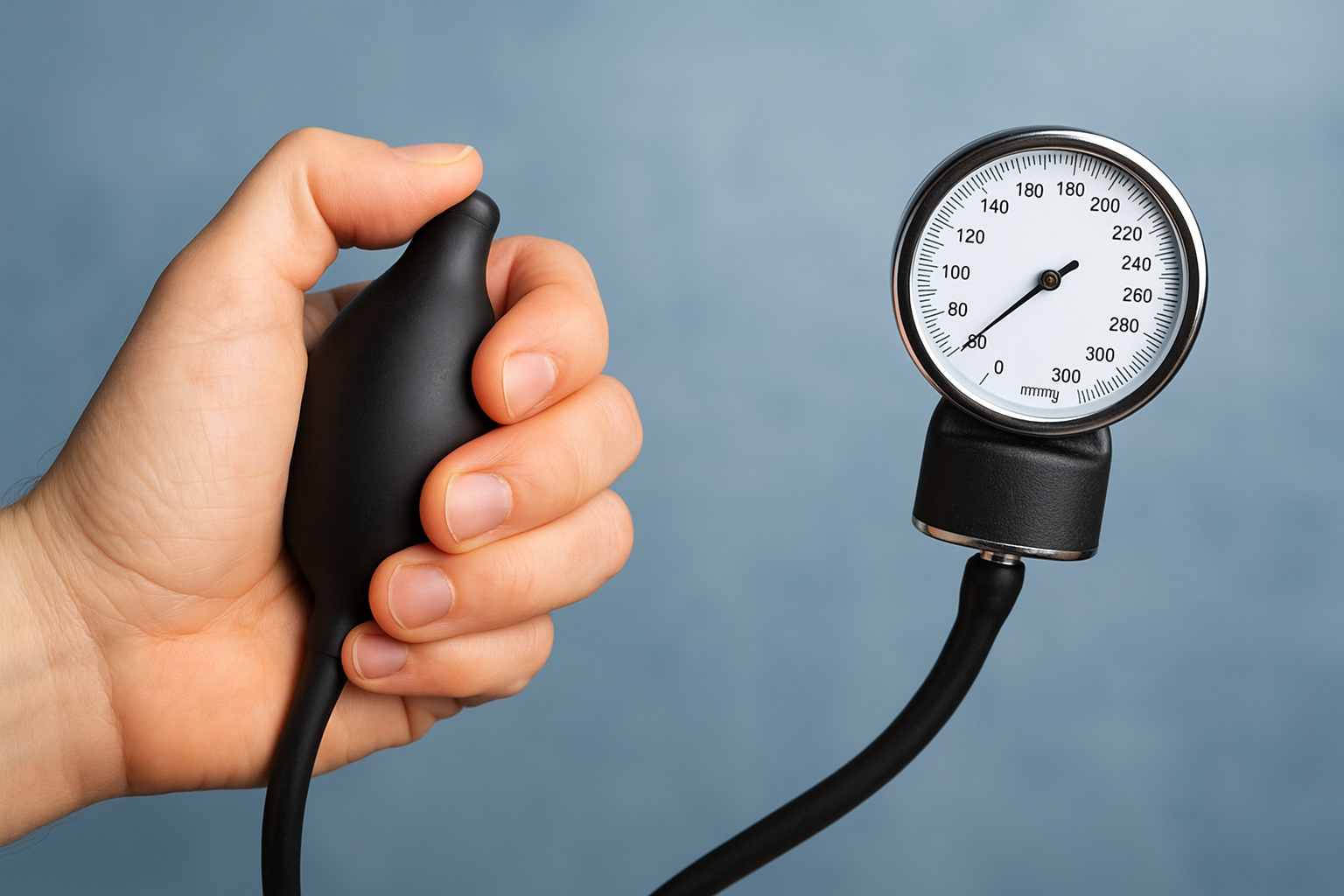
When the temperature drops, your blood vessels tighten. This increases:
- Blood pressure
- Heart workload
- Oxygen demand
As a result, you may feel chest tightness or pressure while walking, climbing stairs, or even standing outside.
3. Pollution + Cold = Breathing Problems
In Delhi NCR and Noida, winter comes with severe air pollution. The combination of smoke, smog, and low temperatures irritates the lungs and causes:
- Inflammation
- Cough
- Breathlessness
- Chest congestion
People with pollen or dust allergies are more prone to these symptoms.
4. Asthma or Bronchospasm
Cold air is a major trigger for asthma.
When cold air enters the lungs, it can cause bronchospasm—tightening of airway muscles—leading to:
- Chest tightness
- Wheezing
- Difficulty breathing
Children & adults with asthma are at higher risk.
5. Muscle Tightness Due to Cold
Your chest wall muscles can tighten in cold weather, causing discomfort or sharp pain, especially during deep inhalation.
6. Anxiety Triggered by Cold Weather
Stress, fear of illness, or panic increases breathing rate. This can lead to chest tightness and discomfort, often mistaken for a heart problem.
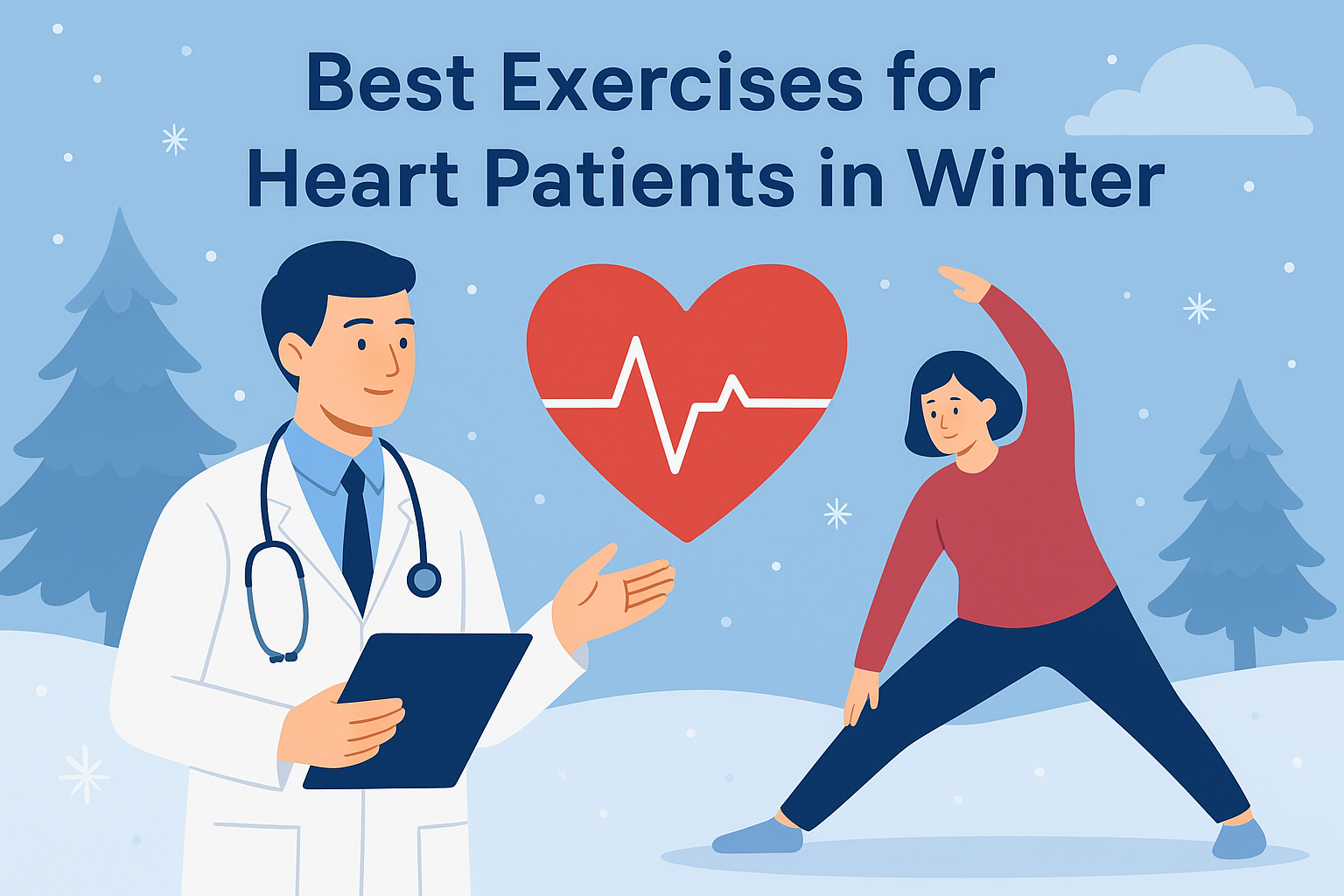
7. Heart-Related Causes
In some cases, chest tightness in winter may be related to the heart, especially if:
- The patient has diabetes, high BP, or high cholesterol
- Pain occurs while exerting
- Pain spreads to arm, shoulder, neck, or jaw
Cold weather increases heart attack risk because the heart has to pump harder to maintain body warmth.
Who Is More Likely to Feel Chest Tightness in Cold Weather?
People in these groups have higher risk:
- Heart patients
- Diabetic or hypertension patients
- People living in polluted areas (Delhi NCR, Noida, Ghaziabad, Gurgaon)
- Smokers
- Asthma/COPD patients
- Elderly individuals
- People doing outdoor work or morning walks in winter
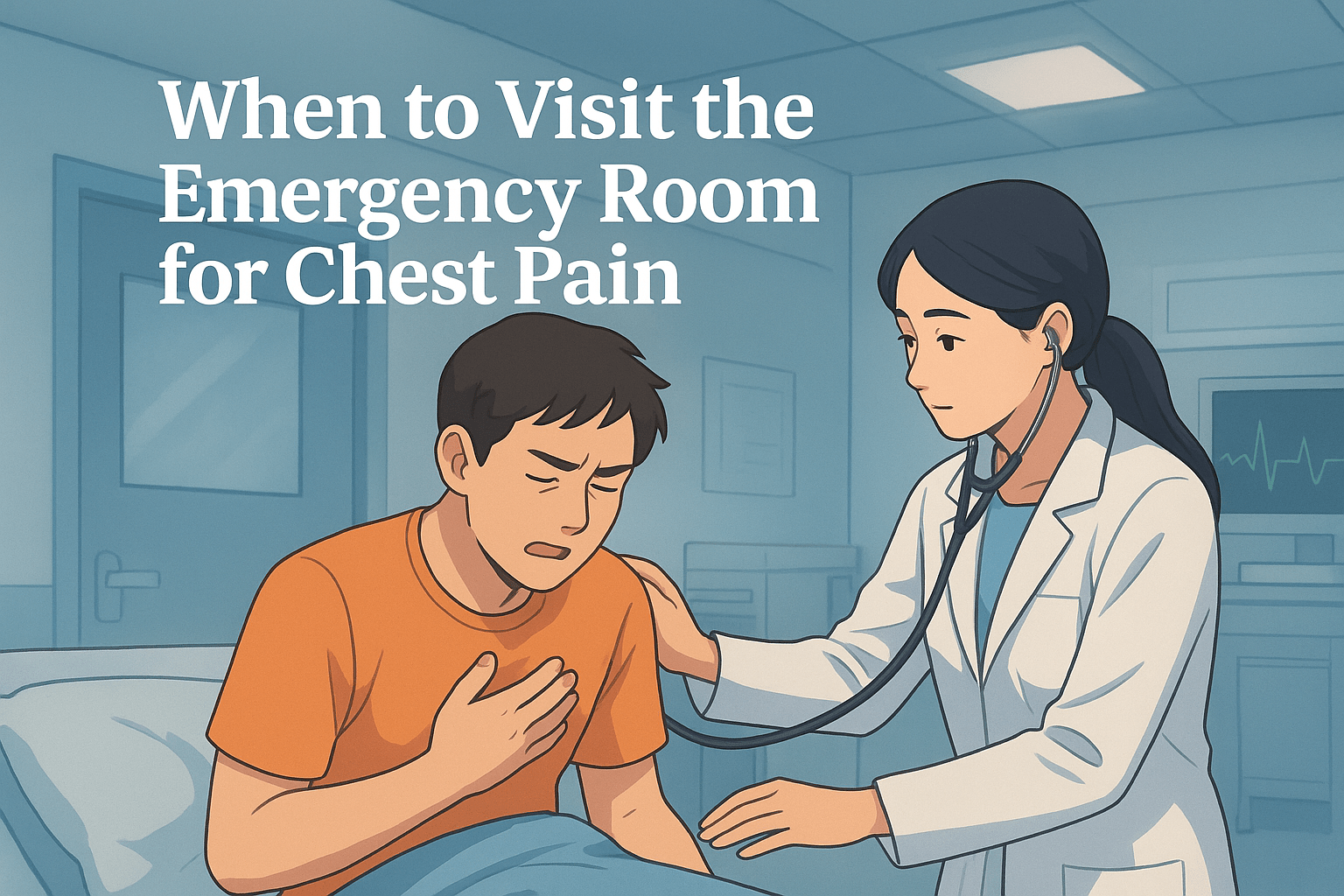
When Should You Worry About Chest Tightness?
Seek immediate medical help if symptoms include:
- Severe chest pain
- Pain radiating to arm, shoulder, or jaw
- Sweating, nausea, or dizziness
- Shortness of breath at rest
- High BP with discomfort
- Chest pain during walking or climbing stairs
These may indicate heart-related issues like angina or a heart attack.
How to Reduce Chest Tightness in Cold Weather
✔ Avoid early morning cold exposure
✔ Wear warm layered clothing
✔ Use a scarf or mask to warm the air before breathing
✔ Avoid outdoor exercise in winter pollution
✔ Practice indoor yoga and breathing exercises
✔ Drink warm water frequently
✔ Take steam inhalation if congested
✔ Keep an air purifier at home
✔ Avoid smoking or secondhand smoke
✔ Stay hydrated
If symptoms are persistent or worsening, consult a doctor immediately.
Why Choose Metro Hospital for Chest Tightness & Respiratory Care?
Metro Hospital (Noida & Delhi NCR) offers:
- 24×7 emergency cardiac care
- Advanced heart check-ups
- Pulmonology and respiratory care
- ICU support for severe breathing issues
- Diagnostic tests (ECG, Echo, PFT, X-ray, CT)
- Experienced cardiologists & pulmonologists
FAQs
1. Why do I feel chest tightness in cold weather in Delhi NCR?
Cold air combined with high pollution levels in Delhi NCR can irritate the lungs and narrow your airways, causing chest tightness and breathing difficulty.
2. Is chest tightness in winter a sign of a heart problem?
Sometimes yes. If chest pressure occurs during physical activity, spreads to the arm or shoulder, or comes with sweating or dizziness, it may be heart-related. Visit Metro Hospital immediately.
3. How does pollution in Noida affect chest tightness?
Pollution spikes in Noida during winter increase airway inflammation and reduce oxygen flow, leading to chest discomfort, especially in people with asthma or weak lungs.
4. What tests does Metro Hospital offer for chest tightness?
Metro Hospital provides ECG, ECHO, TMT, Chest X-ray, Blood tests, CT scan, and Pulmonary Function Tests (PFT) to diagnose the cause of chest tightness.
5. When should I visit Metro Hospital for chest pain or tightness?
If you have:
- Persistent chest discomfort
- Breathing difficulty
- Pain during walking
- Chest pressure that doesn’t go away
Visit the cardiology or pulmonology department immediately.
6. Is exercising outside safe during winter in Noida or Delhi NCR?
No. Cold air + pollution can worsen symptoms. Indoor exercise is safer.
7. Can asthma patients feel more chest tightness in winter?
Yes. Cold air is a strong asthma trigger. Metro Hospital pulmonologists recommend warm masks, steam inhalation, and regular medication.
8. Does cold weather increase heart attack risk?
Yes. Cold temperatures make the heart work harder, increasing the risk of angina or heart attacks, especially in people with high BP, diabetes, or cholesterol.