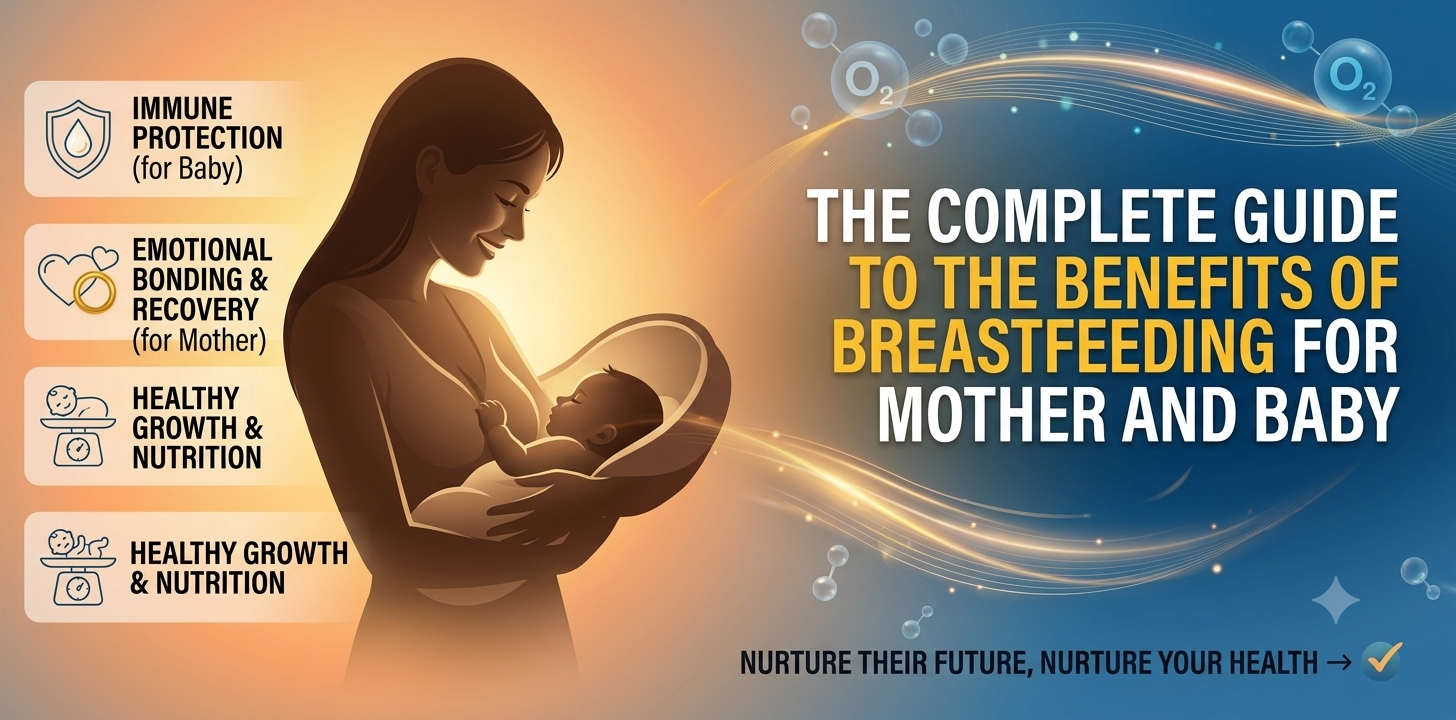
The Complete Guide to the Benefits of Breastfeeding for Mother and Baby
By Dr. Anju Suryapani in Obstetrics & Gynaecology
Aug 3, 2026
The Complete Guide to the Benefits of Breastfeeding for Mother and Baby
Breastfeeding is widely recognized by global health organizations—including the World Health Organization (WHO) and the American Academy of Pediatrics (AAP)—as the gold standard for infant nutrition. Beyond providing essential nourishment, breast milk acts as a dynamic, living fluid that adapts to a growing baby’s needs while offering profound health advantages for the mother.
Whether you are an expectant parent or navigating the early days of newborn care, understanding the far-reaching impact of nursing can empower you on your parenthood journey. Here is a detailed breakdown of the biological, physical, and emotional benefits of breastfeeding for both mother and child.
Part 1: Life-Changing Benefits of Breastfeeding for Baby
1. Tailored, Liquid Gold Nutrition
During the first few days after birth, breasts produce colostrum—a thick, yellowish fluid rich in proteins, low in sugar, and packed with protective compounds. As your baby grows, breast milk naturally transforms in composition to match their exact nutritional requirements, delivering the perfect balance of fats, vitamins, and minerals.
2. Powerful Immune Protection
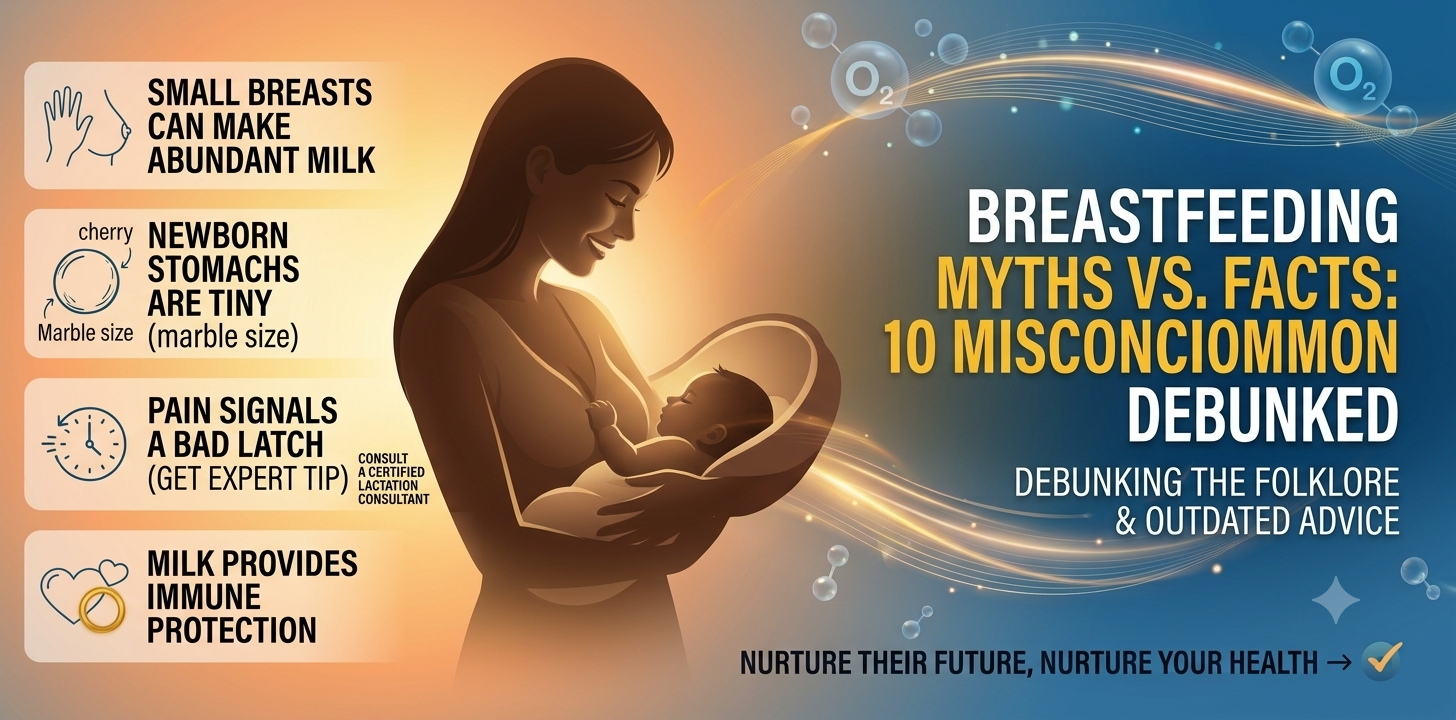
Unlike formula, breast milk contains live antibodies—most notably Immunoglobulin A (IgA). When a mother is exposed to environmental viruses or bacteria, her body produces targeted antibodies that pass into her milk. This creates a protective shield over the baby’s nose, throat, and digestive tract.
Exclusively breastfed babies experience significantly lower rates of:
- Middle ear infections (Otitis media)
- Lower respiratory tract infections (Pneumonia, Bronchiolitis)
- Sudden Infant Death Syndrome (SIDS)
- Severe stomach flu and gastrointestinal tract damage
3. Gut Health and Easy Digestion
A newborn’s digestive system is immature and sensitive. The proteins in breast milk (whey and casein) are effortlessly broken down by tiny stomachs compared to cow’s milk-based formulas. Furthermore, breast milk nurtures beneficial gut bacteria (microbiome), which aids digestion and prevents harmful pathogens from taking root.
4. Healthy Weight Regulation
Breastfeeding promotes natural appetite self-regulation. Nursing infants naturally control their intake, stopping when they are full rather than when a bottle is empty. Research shows that breastfed children have a significantly lower risk of developing childhood obesity and Type 2 diabetes later in life.
5. Enhanced Cognitive Development
Studies suggest that the unique combination of essential fatty acids (such as DHA), intimate skin-to-skin touch, and eye contact during nursing plays a positive role in early brain development. Breastfed infants consistently show higher cognitive test scores as they grow into childhood.
Part 2: Essential Benefits of Breastfeeding for the Mother
Breastfeeding is not a one-way street; the maternal body receives major physiological and emotional rewards throughout the nursing journey.
1. Faster Postpartum Recovery
During nursing, the body releases oxytocin, often called the “love hormone.” Oxytocin stimulates uterine contractions, helping the uterus shrink back to its pre-pregnancy size faster while reducing postpartum bleeding.
2. Reduced Risk of Major Chronic Diseases
Women who breastfeed gain long-term protection against severe health conditions. Cumulative time spent breastfeeding lowers a woman’s lifetime risk of:
- Breast Cancer: Decreases the risk of both pre-menopausal and post-menopausal breast cancers.
- Ovarian Cancer: Inhibits ovulation, reducing the likelihood of cellular mutations in the ovaries.
- Cardiovascular Disease & Type 2 Diabetes: Helps reset metabolic parameters, lowering blood pressure, cholesterol, and blood sugar levels.
3. Emotional Bonding & Mental Well-being
The close physical contact involved in breastfeeding promotes deep emotional attachment between mother and baby. The hormonal surge of oxytocin and prolactin fosters feelings of relaxation and nurturing, which can help ease anxiety and support maternal mental health.
4. Practical Convenience & Economic Value
Breast milk is always ready, at the exact right temperature, and available without prep work. It eliminates the need for sterilizing bottles, purchasing expensive formulas, or warming milk during late-night feedings.
Key Medical Guidelines for Breastfeeding
Leading global health authorities recommend:
- Exclusive Breastfeeding: Give your baby only breast milk (no extra water, tea, or formula) for the first 6 months of life.
- Continued Breastfeeding: Introduce safe, nutrient-rich solid foods at 6 months while continuing to breastfeed for up to 2 years or beyond, as long as mutually desired by mother and child.
Frequently Asked Questions (FAQs)
Q1. What is colostrum, and why is it so important?
Colostrum is the early, concentrated milk produced in the first few days after birth. It is packed with proteins, antibodies, and antioxidants designed to build your baby’s immune system and coat their digestive tract.
Q2. How do I know if my baby is getting enough breast milk?
You can confirm your baby is getting enough milk by monitoring:
- Weight Gain: Returning to birth weight within 10 to 14 days.
- Diaper Count: 6 to 8 wet diapers and 3 to 4 yellow, seedy stools daily after the first week.
- Behavior: A calm, content baby who releases the breast naturally after feeding.
Q3. Can a mother breastfeed if she gets sick?
In most common cases (such as a cold, flu, or stomach bug), yes! Continuing to breastfeed actually protects your baby, as your immune system creates targeted antibodies against the illness that pass directly through your milk. Always consult a doctor before taking medications while nursing.
Q4. Does breastfeeding help with postpartum weight loss?
Yes, breastfeeding burns an extra 300 to 500 calories per day to produce milk. Combined with a balanced diet, it can help mothers shed pregnancy weight naturally over time.