How to Improve Lung Capacity Naturally? Best Tips, Exercises & Expert Guide by Metro Hospital
By Dr. Kanishka Kumar in Pulmonology, Respiratory & Sleep Medicine
Dec 3, 2025
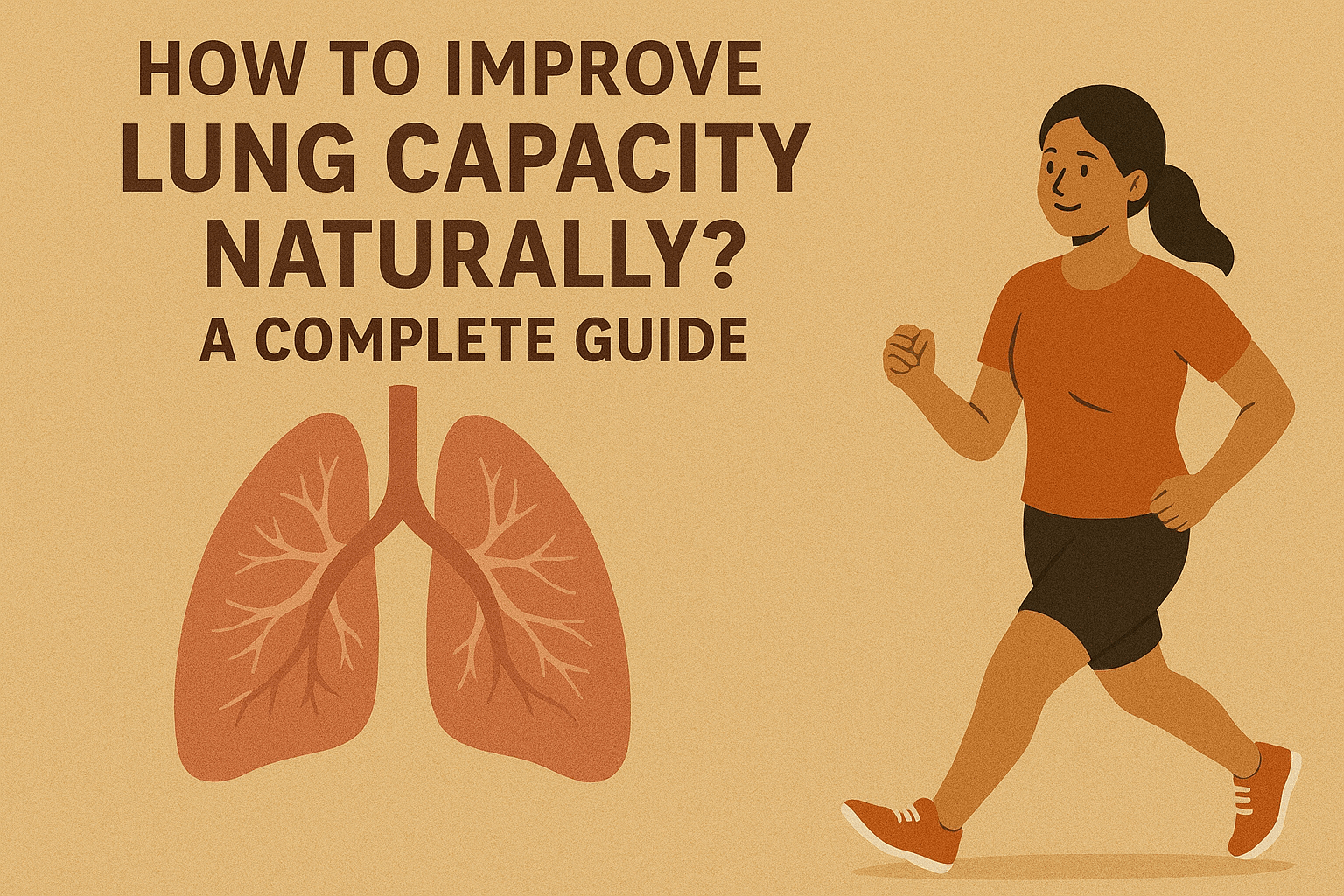
How to Improve Lung Capacity Naturally? A Complete Guide
Healthy lungs are essential for breathing, energy, stamina, and overall well-being. Whether you are recovering from a respiratory illness, living with asthma, COPD, or simply want to strengthen your lungs, improving lung capacity naturally is one of the best things you can do for your health.
Today, chronic pollution, long office hours, lifestyle stress, and winter smog in Delhi NCR and Noida make lung care even more important. The good news? Your lungs can become stronger, clearer, and more efficient with simple daily habits.
In this comprehensive guide by Metro Hospital, you’ll learn natural and safe ways to increase lung capacity and protect your respiratory health.
What Is Lung Capacity?
Lung capacity is the maximum amount of air your lungs can hold.
Strong lung capacity helps you:
- Breathe more easily
- Improve energy levels
- Recover faster after illness
- Reduce breathlessness
- Improve sports and daily activity performance
Low lung capacity can lead to fatigue, shortness of breath, and increased risk of respiratory issues.
Best Natural Ways to Improve Lung Capacity
1. Diaphragmatic Breathing (Belly Breathing)
This simple technique strengthens your diaphragm — the main breathing muscle.
How to do it:
- Sit or lie comfortably
- Put one hand on your chest, the other on your belly
- Inhale deeply through your nose so your belly rises
- Exhale slowly through your mouth
Do this for 5–10 minutes daily.
Benefits:
- Improves oxygen flow
- Reduces breathlessness
- Helps people with asthma and COPD
2. Pursed-Lip Breathing
A very effective method used in respiratory therapy.
Steps:
- Inhale through your nose for 2 seconds
- Purse your lips (like blowing a candle)
- Exhale slowly for 4 seconds
This helps release trapped air from the lungs.
3. Regular Walking
Walking improves lung function without causing strain.
Benefits:
- Enhances oxygen exchange
- Improves blood circulation
- Reduces lung stiffness
- Boosts stamina
Aim for 30 minutes of brisk walking, preferably indoors during winter or high pollution days.
4. Steam Inhalation
Steam loosens mucus and opens airways.
Do it when:
- You feel congested
- The weather is very cold
- Pollution levels are high
Add a few drops of eucalyptus oil for extra relief.
5. Stay Hydrated
Drinking water thins the mucus in your lungs, making it easier to breathe.
Aim for 2–3 liters of water daily (unless restricted by a doctor).
6. Breathing Exercises with Balloons
Blowing air into a balloon strengthens lung muscles.
Benefits:
- Improves inhalation and exhalation strength
- Helps children and adults
Do it gently—avoid overexertion if you have a heart or lung condition.
7. Yoga for Lung Strength
Yoga is excellent for improving lung capacity naturally.
Best poses:
- Bhujangasana (Cobra Pose)
- Matsyasana (Fish Pose)
- Tadasana (Mountain Pose)
- Anulom-Vilom (Alternate Nostril Breathing)
- Kapalbhati (avoid if you have heart issues or high BP)
Benefits:
- Improves oxygen flow
- Expands chest capacity
- Reduces stress
8. Avoiding Polluted Air
In Delhi NCR and Noida, high pollution can reduce lung capacity by narrowing airways and causing inflammation.
Tips:
- Wear N95 masks outdoors
- Avoid morning walks during smog days
- Keep indoor plants like Areca Palm, Snake Plant
- Use HEPA air purifiers
9. Indoor Cycling or Low-Impact Cardio
These exercises improve lung endurance without exposing you to cold or polluted air.
10. Maintain Good Posture
Hunching compresses your lungs.
Practice:
- Sitting straight
- Chest open
- Shoulders back
This allows lungs to expand fully.
11. Eat Lung-Friendly Foods
Foods that support lung health include:
- Ginger
- Turmeric
- Garlic
- Apples
- Green leafy vegetables
- Nuts & seeds
- Warm soups
They reduce inflammation and boost immunity.
12. Quit Smoking
Smoking (even occasional) drastically reduces lung capacity.
Quitting improves lung function within 2–12 weeks.
🩺 When Should You See a Doctor?
Consult Metro Hospital if you notice:
- Persistent shortness of breath
- Chronic cough
- Chest congestion
- Wheezing
- Difficulty breathing during activities
- Frequent respiratory infections
Early diagnosis helps prevent long-term lung damage.
FAQs
1. Which breathing exercises improve lung capacity naturally?
Diaphragmatic breathing, pursed-lip breathing, and deep breathing are highly effective and are recommended by Metro Hospital respiratory experts.
2. Does Metro Hospital Noida offer lung function tests?
Yes. Metro Hospital Noida provides complete lung evaluations, including Pulmonary Function Tests (PFTs), Spirometry, Chest X-rays, and CT scans.
3. How can people in Delhi NCR protect their lungs during pollution season?
Use N95 masks outdoors, avoid early-morning outdoor exercise, use air purifiers, and practice breathing exercises daily. Metro Hospital also offers preventive lung check-up packages.
4. Can yoga help increase lung capacity according to Metro Hospital doctors?
Yes. Yoga enhances oxygen flow, strengthens breathing muscles, and reduces stress, making it excellent for lung health.
5. When should I visit Metro Hospital for breathing problems?
If you experience breathlessness, chronic cough, wheezing, chest pain, or reduced stamina, you should consult a pulmonologist immediately.
6. Does Metro Hospital provide treatment for asthma, COPD, or chronic lung disease?
Yes. Experienced pulmonologists at Metro Hospital treat all respiratory conditions with advanced diagnostics and customized treatment plans.
7. Is it safe to exercise outdoors in winter in Noida or Delhi NCR?
Due to cold air and high pollution levels, it’s safer to exercise indoors during winter months. This helps protect your lungs and heart.
8. Can lung capacity improve after illness with natural methods?
Yes. Regular breathing exercises, hydration, walking, and steam inhalation help improve lung strength after infections like pneumonia, COVID-19, or flu.