Is Winter Dangerous for Blood Pressure Patients? Causes, Risks, Symptoms & Prevention Tips
By Dr. Prashant Tarakant Upasani in Cardiology Interventional Cardiology
Dec 3, 2025
Is Winter Dangerous for Blood Pressure Patients? Causes, Risks, Symptoms & Prevention Tips
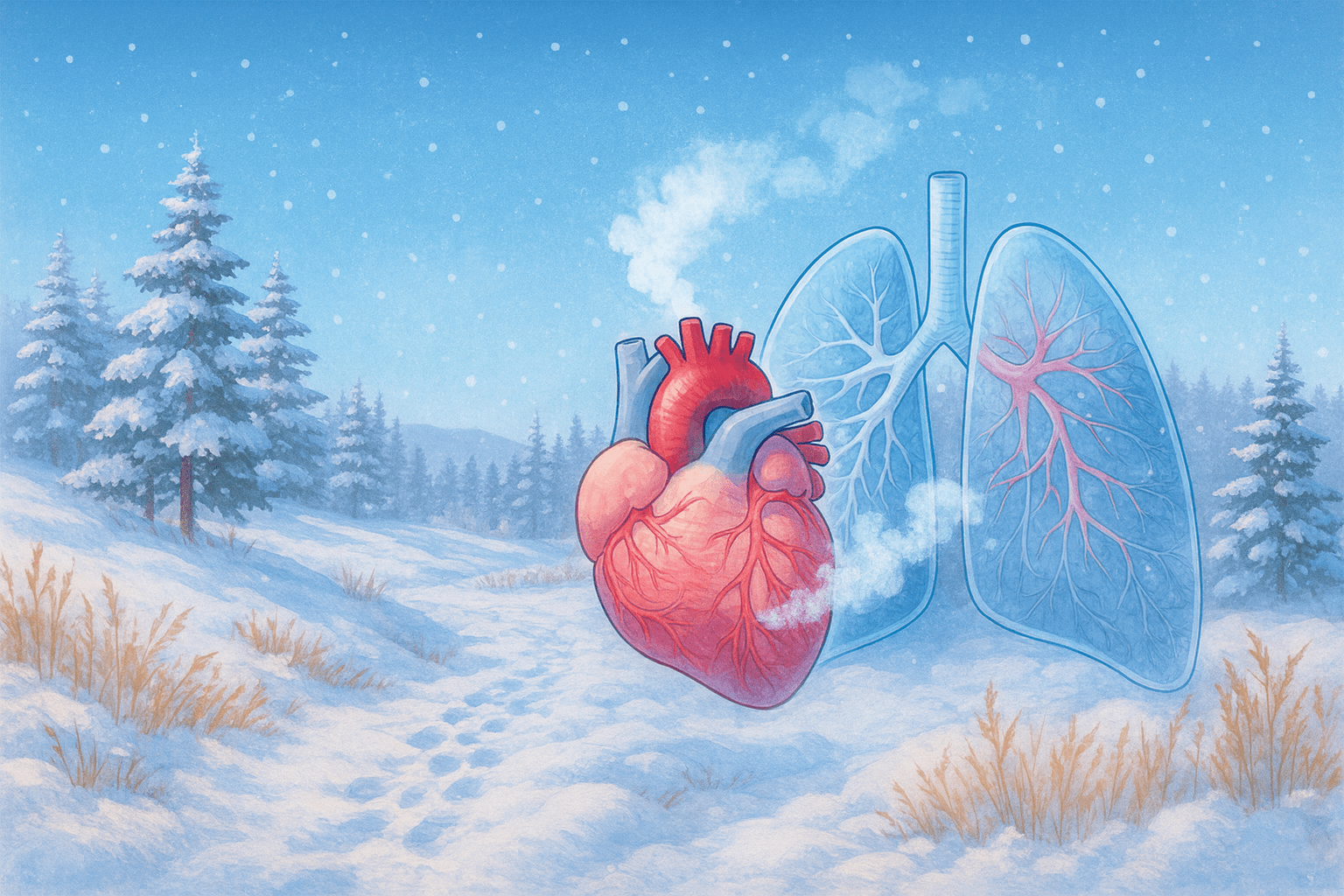
Winter brings cool mornings, warm clothes, and cozy moments — but for people with high blood pressure (hypertension), it may also bring unexpected health risks. Research shows that blood pressure naturally rises in winter, making this season particularly dangerous for heart and BP patients.
If you or your loved ones have BP problems, this guide explains why winter affects blood pressure, the risks involved, and how to stay safe.
Why Does Blood Pressure Rise in Winter?
During winter, temperature drops. When the body senses cold, it tries to retain heat. This causes:
1. Blood Vessel Constriction
Cold air makes your blood vessels shrink, known as vasoconstriction.
This increases resistance to blood flow, causing BP to rise.
2. Reduced Physical Activity
People move less in winter.
Less activity = slower metabolism + higher BP.
3. Increased Stress & Hormone Changes
Cold temperatures trigger the release of:
- Adrenaline
- Cortisol
These stress hormones can elevate blood pressure.
4. Higher Salt Intake in Winter Foods
Winter snacks, soups, pickles, and packaged foods often contain more salt.
Excess sodium is a known trigger for high BP.
5. Weight Gain
Many people gain weight during winter, which can:
- Increase cholesterol
- Raise blood pressure
- Affect heart health
Who Faces the Highest Risk in Winter?
Winter is especially risky for people with:
- Chronic hypertension
- Heart disease
- Diabetes
- Previous heart attack or stroke
- Obesity
- Kidney disease
- Elderly patients (above 60 years)
If you fall into these categories, winter requires extra caution.
Winter-Related Complications for BP Patients
Uncontrolled blood pressure during winter can increase the risk of:
1. Heart Attack
Cold weather puts extra pressure on the heart, raising the risk of cardiac events.
2. Stroke
A sudden spike in BP may lead to:
- Blood clots
- Brain hemorrhage
3. Arrhythmia
Cold temperatures can trigger irregular heart rhythms.
4. Worsening of Kidney Problems
High BP affects blood flow to the kidneys, worsening renal function in winter.
Common Symptoms to Watch Out For
Winter BP spikes can be silent, but watch for:
- Headache (especially back of head)
- Chest discomfort
- Dizziness or fainting
- Breathlessness
- Palpitations
- Nosebleeds
- Blurred vision
- Swelling in feet or hands
Seek help immediately if symptoms worsen.
How to Stay Safe: Winter BP Management Tips
Here are scientifically backed tips to protect your heart and control BP during cold months.
1. Keep Yourself Warm
- Wear layered clothes
- Use socks, gloves, and scarves
- Avoid stepping outdoors early morning
- Keep room temperature comfortable
Warmth helps prevent blood vessel constriction.
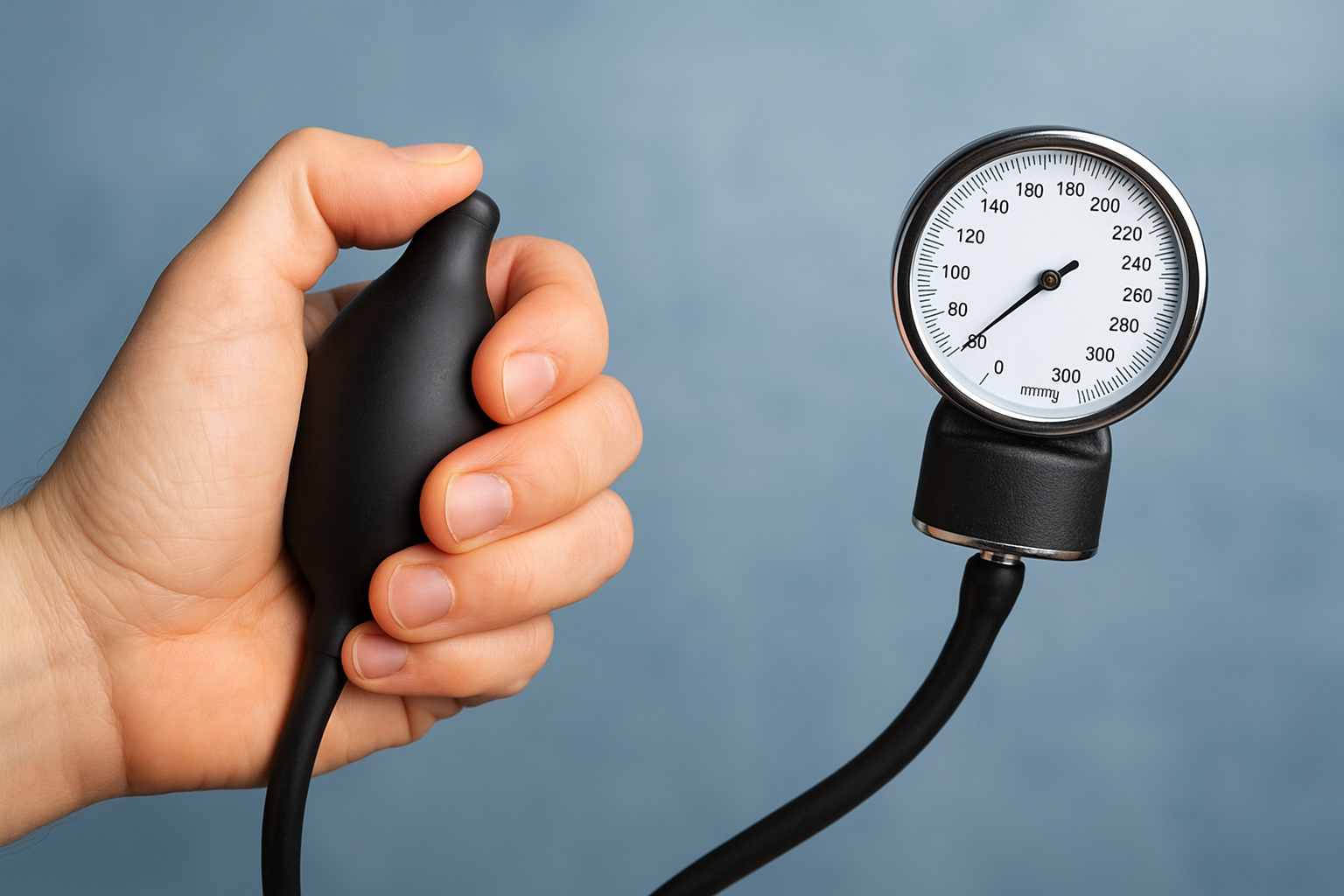
2. Monitor Blood Pressure Daily
Use a home BP monitor and track readings:
- Every morning
- Before bedtime
Record values and share them with your doctor.
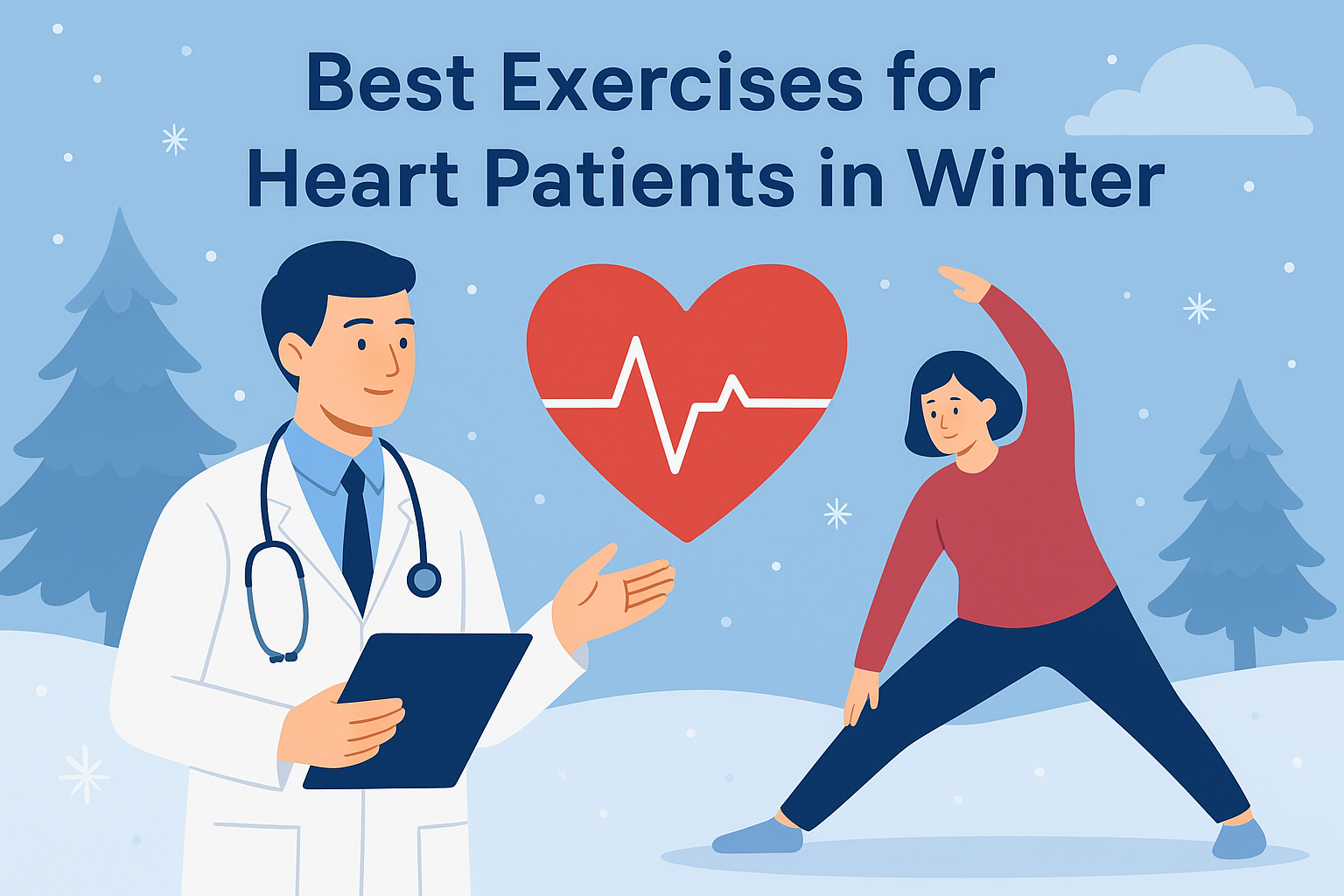
3. Stay Active Indoors
Even if it’s cold outside, try:
- Indoor walking
- Yoga
- Stretching
- Light workouts
Just 30 minutes daily can significantly reduce BP.
4. Watch Your Diet
Avoid winter foods high in:
- Salt
- Sugar
- Oil
- Processed preservatives
Prefer:
- Fruits (oranges, bananas, apples)
- Vegetables (spinach, carrots, beetroot)
- Warm soups
- Whole grains
- Nuts in moderation
5. Stay Hydrated
People drink less water in winter, but dehydration raises BP.
Target: 6–8 glasses daily.
6. Limit Caffeine & Alcohol
Too much tea, coffee, and alcohol increases blood pressure and heart strain.
7. Reduce Stress Levels
Practice:
- Deep breathing
- Meditation
- Gentle music
- Short breaks at work
Stress hormones are major BP triggers in winter.
8. Don’t Skip Medications
Many patients skip doses due to laziness or cold weather — but winter is the worst time to do this.
Take medicines regularly as prescribed.
9. Regular Checkup with Your Doctor
Cold weather brings unpredictable changes.
Get:
- BP evaluation
- ECG
- Cholesterol & sugar tests (if needed)
This helps prevent complications early.
When Should You See a Doctor?
Seek immediate medical help if you notice:
- BP consistently above 140/90 mmHg
- Sudden chest pain
- Difficulty breathing
- Severe headache or confusion
- Numbness on one side of the body
- Irregular heartbeat
These could be signs of a severe BP spike or heart/stroke emergency.
Conclusion
Winter is beautiful — but it can be dangerous for blood pressure patients. Cold weather naturally increases blood pressure, putting extra stress on the heart. The best approach is prevention: stay warm, eat healthy, stay active, and monitor your BP regularly.
If you or your family member has hypertension, follow these tips to stay safe throughout the winter season.
Frequently Asked Questions (FAQs)
1. Why does blood pressure increase in winter?
Blood pressure rises in winter because cold temperatures cause the blood vessels to narrow (vasoconstriction). This increases resistance and makes the heart pump harder, resulting in higher BP. Reduced physical activity and higher salt intake during winters also contribute.
2. Is winter dangerous for high blood pressure patients?
Yes. Winter increases the risk of heart attack, stroke, and sudden BP spikes. People with hypertension, diabetes, or previous cardiac issues should be extra careful during cold months.
3. What is the ideal blood pressure in winter?
The normal BP range remains the same year-round: around 120/80 mmHg. Even in winter, readings above 130/80 mmHg should be monitored, and above 140/90 mmHg require medical attention.
4. Do BP medicines need to be changed during winter?
Not always. But some patients may need dose adjustments if their BP stays consistently high in winter. Only a doctor can recommend changes after checking your readings.
5. What foods help control blood pressure in winter?
Foods that help maintain BP include:
- Oranges, bananas, apples
- Spinach, beetroot, carrots
- Oats, whole grains
- Coconut water
- Low-salt homemade soups
Avoid salty snacks, pickles, and processed foods.
6. Does drinking less water increase blood pressure?
Yes. Dehydration thickens the blood and reduces circulation efficiency, which can increase BP. Aim for 6–8 glasses of water daily, even in winter.
7. What is the best time to check BP in winter?
Check your BP:
- Once in the morning (before breakfast)
- Once at night (before bed)
Make sure you are relaxed and seated for 5 minutes before checking.
8. Can cold weather cause a heart attack?
Yes. Cold weather puts more pressure on the heart, and sudden rises in BP can trigger heart attacks, especially in people with underlying heart disease.
9. How can I keep my BP stable in winter?
Key ways to control BP in winter:
- Keep yourself warm
- Exercise indoors
- Eat low-salt, balanced meals
- Stay hydrated
- Reduce stress
- Monitor BP daily
- Follow medicines regularly
10. When should I see a doctor urgently?
Seek emergency help if you experience:
- Severe chest pain
- Sudden breathlessness
- Very high BP (above 170/100 mmHg)
- Severe headache or blurring vision
- Numbness on one side of the body
- Fast or irregular heartbeat
11. Is Metro Hospital the best place for high blood pressure treatment in winter?
Yes. Metro Hospital offers specialized hypertension and cardiology care, especially during winter when BP tends to rise. Our cardiologists use advanced diagnostics, customized treatment plans, and continuous monitoring to manage winter-related BP complications.
12. Does Metro Hospital provide winter heart check-up packages for BP patients?
Yes. Metro Hospital runs Winter Cardiac Check-Up Packages that include BP monitoring, ECG, lipid profile, and cardiologist consultation. These packages help high BP patients prevent winter-related heart risks.
13. Can I consult a cardiologist at Metro Hospital for sudden BP spikes in winter?
Absolutely. Metro Hospital has senior cardiologists available for immediate consultations. Patients experiencing winter BP spikes, dizziness, chest discomfort, or breathlessness can visit our emergency or cardiology OPD.
14. What are the winter symptoms of high blood pressure that Metro Hospital advises to watch out for?
Metro Hospital recommends watching for:
- Sudden headaches
- Chest heaviness
- Breathlessness
- Cold extremities
- Irregular heartbeat
- Unusual fatigue
These symptoms require timely cardiology evaluation.
15. Does Metro Hospital offer emergency treatment for high blood pressure?
Yes. Metro Hospital’s 24×7 Emergency & ICU care manages hypertensive emergencies, heart attacks, stroke risks, and severe BP fluctuations—especially common in cold weather.
16. How can I book an appointment with a cardiologist at Metro Hospital?
You can easily book an appointment via:
- Metro Hospital Website
- Helpline number
- Walk-in registration at the Cardiology OPD
Online appointments ensure faster care during peak winter season.
17. What lifestyle tips does Metro Hospital recommend to control BP in winter?
Our cardiology team suggests:
- Keeping the body warm
- Avoiding high-salt and fried foods
- Staying hydrated
- Doing indoor walking or yoga
- Monitoring BP twice daily
- Taking medicines regularly
These help keep BP stable in cold months.
18. Are winter heart attack risks higher for BP patients according to Metro Hospital doctors?
Yes. Cardiologists at Metro Hospital highlight that winter increases heart attack risks due to narrowed blood vessels, dehydration, and sudden BP spikes. Regular monitoring and preventive check-ups are strongly advised.
19. Does Metro Hospital provide BP monitoring or home care services?
Many branches offer guided BP monitoring, teleconsultations, and follow-up care. Patients can also upload home BP readings during online consultations.
20. Why should hypertensive patients choose Metro Hospital in winter?
Metro Hospital provides:
✔ Experienced cardiology team
✔ Advanced diagnostic technology
✔ Winter-specific hypertension management
✔ Emergency heart care
✔ Affordable check-up packages
✔ High patient success rates
This makes Metro Hospital one of the most reliable centers for winter BP care.